

Stable workspaceThe ski must stay still while you iron, scrape, brush and sharpen.
Vallaboden - equipment guide
Waxing equipment for alpine skis - build a practical, complete wax room
You do not need to buy everything at once. Here you can see which tools are needed for a stable workspace, glide waxing, cleaning and basic edge care - and what can wait until your level of ambition increases.
Vallaboden's main rule
Start with a stable workspace, a proper waxing iron, a sharp scraper and the right brushes. Only add more once you know what problem the next tool needs to solve.
Glide waxing toolsAn iron, scraper and the right brushes make the biggest everyday difference.
Edge careA stone for maintenance, and a file only when more material really needs removing.
Safe working environmentVentilation, a mask and good organisation protect both you and your equipment.
Buy in the right order
Three levels - from your first wax to a complete home workshop
You do not need to buy everything at once. Start with tools that make the work stable and repeatable. Add more when you know which part of the job is actually holding you back.
The minimum workable setup
For families who want to clean, glide wax and carry out simple edge care a few times each season.
- Stable bench or waxing table
- Ski holders and brake bands
- A proper waxing iron
- Sharp plastic scraper
- Bronze or steel brush and a nylon brush
- Fiberlene, cleaner and universal wax
- File guide and a medium-fine diamond stone
The practical complete setup
For those who look after several pairs, wax regularly and want to maintain both bases and steel edges properly.
- Three-point ski vise holding the ski flat and on its side
- Temperature-stable waxing iron and iron mat
- Separate brushes for preparation, after scraping and finishing
- Scraper sharpener or a simple routine for keeping scrapers sharp
- File, diamond stone and chosen side-edge angle
- Sidewall planer when plastic obstructs the file
- Good lighting, storage and extraction or ventilation
Advanced and race-focused
For many pairs, race servicing or when the same result must be repeated with high precision.
- Digital precision iron or waxing machine
- Roto brushes dedicated to different tasks
- Several diamond grits and fixed file-guide angles
- Tools for base edges, sidewalls and base repair
- Separate clean tools for fluorine-free products
- Effective dust and fume control
The foundation for every job
A stable ski matters more than one expensive tool
Scraping, brushing and edge care are easier and safer when the ski is secured. A stable workspace also lets you use less force and achieve more consistent results.
Bench or waxing table
A fixed workbench gives the best stability at home. A folding waxing table is more convenient when equipment needs moving or storing away.
Alpine ski holder
A three-point ski vise holds the ski flat for waxing and on its side for steel-edge maintenance.
Brake bands and organisation
Keep the brake arms clear and give each tool its own place. This reduces interruptions and the risk of dropping a hot or sharp tool.
Lighting and ventilation
Angled light makes scratches, structure and burrs easier to see. Fresh air or extraction is needed when heating wax, scraping and brushing.
For cleaning and glide waxing
Seven parts of a cleaning and glide waxing kit
A good result comes from the right temperature, a sharp scraper and a clean structure after brushing, rather than thick wax layers.
A proper waxing iron
An even plate and stable temperature make it easier to melt wax without overheating the base. Always follow the temperature on the wax packaging.
Priority: high if you use solid glide wax.Sharp plastic scraper
A sharp scraper removes excess wax with less force. This improves control and reduces the risk of rounding off the structure.
Sharpen often rather than pressing harder.Fine steel or bronze brush before waxing
Cleans the structure, lifts loose dust and makes it easier to assess the base before applying fresh wax.
Use a clean brush along the length of the ski.Bronze or steel brush after scraping
Removes wax left in the structure after the bulk of the excess has been scraped off.
This step makes the base ready to ski, not just shiny.Nylon brush for finishing
Finishes the job, polishes the surface and removes fine wax dust after coarser brushing.
A simple fine nylon brush is enough for most home waxers.Fiberlene and glide wax cleaner
Fiberlene leaves little lint and makes it easy to see what comes off the base. Use cleaner only when dry brushing is not enough.
Always apply fresh wax to a completely dry surface.A versatile fluorine-free universal wax
A good universal wax covers a lot of family skiing. Add colder or warmer options when you know they are needed.
Follow the product's temperature range, not just its colour.For sharp, smooth steel edges
Hone more often, file less often and never guess an unknown angle
Most home waxers do not need to remove much material. Regular maintenance with a diamond stone is often enough. Use the file when the edge is clearly blunt or a new angle actually needs establishing.
File guide or edge tool
Guides the file and stone at a defined side-edge angle. Choose the ski's existing angle or check it before starting.
For family skiing, a stable, simple tool matters more than having many angle options.Diamond stone
Removes less material, deburrs and polishes the edge. This is the tool you will use most for routine maintenance.
Use light pressure and keep the stone clean and lubricated as the manufacturer advises.File
Use sparingly when the edge is very dull, damaged or needs filing to a specified angle.
Even strokes and controlled pressure give better results than brute force.Sidewall planer
Removes plastic or other sidewall material that prevents the file from reaching the steel edge.
Needed only when the file actually catches the sidewall, not on every ski or every time.The base edge is a separate, more sensitive task
Base-edge tools can change how the ski initiates a turn. If the angle is unknown or the ski uneven, a good workshop is safer than trying to correct it freehand.
The right sequence produces a clean structure
Three brushing steps are enough for a very effective home wax room
What matters is that each brush has a clear role and stays clean, rather than owning many brushes. Start with two and add a separate preparation brush later.
- Before waxing
Clean and open the structure
Use a fine steel or bronze brush on a dry base to remove loose dust and old wax.
- Brush from tip to tail
- Keep the brush free of dirt and old wax
- Wet-clean only when brushing is not enough
- After scraping
Brush out remaining wax
After using the sharp plastic scraper, use a bronze or medium-coarse steel brush to expose the structure.
- No wax film should remain on top of the base
- Even, long strokes produce a repeatable result
- Clean the brush afterwards
- Finishing
Polish with nylon
Fine nylon removes the last dust and provides an even, clean finish before skiing.
- Use lighter pressure than with the coarser brush
- Wipe the base afterwards
- A roto brush saves time but is not essential
Protect yourself and keep tools clean
A good wax room is also safe and easy to clean
Heat, wax dust, solvents and sharp tools call for good organisation. Plan the workspace so you can ventilate, collect waste and put down irons and files safely.
Ventilation and extraction
Ensure air exchange when heating wax, using liquid products and creating wax dust through scraping or brushing.
Mask and protective equipment
Use suitable respiratory protection when hot waxing, scraping and especially roto brushing. Follow the manufacturer's recommendations for filters and fit.
Clean storage
Store brushes, stones and scrapers dry and separately. Label brushes by task so dirt and old products are not carried between steps.
Iron mat and cleaning
Provide a heat-resistant place for the iron. Collect wax shavings and dust after each session so the work surface is clean for the next pair.
These can wait
Roto brushes, a digital race iron, several fixed edge angles and tools for base edges or repairs become useful when you have a clear use for them.
Roto brushes
Saves time with many pairs but requires greater dust protection and more careful handling.Digital race iron
Provides finer temperature control, but a good basic iron is enough for routine hot waxing.Base edge tools
Affects the ski's steering and should not be bought before you understand the existing angle and method.Base repair
P-tex, a steel scraper and a repair iron are needed only when you will actually repair deeper damage.Build the wax room step by step
Selected products for the workspace, glide and steel edges
Here is a considered starter setup for your workspace, glide waxing and edge care. Choose the group you want to build first and add as needed.
Workspace and securing the skis
A stable bench, ski holders, brake bands and a reliable waxing iron form the basis for every other task.
-
Work surface
 Available to order
Swix
Swix Waxing Table T75W 120x35cm
Foldable waxing table that provides a stable and portable workstation for waxing and edge maintenance.
In a permanent wax room, a solid workbench is often even more stable. Combine the table with an alpine ski vise.
-
Securing
 Available to order
Swix
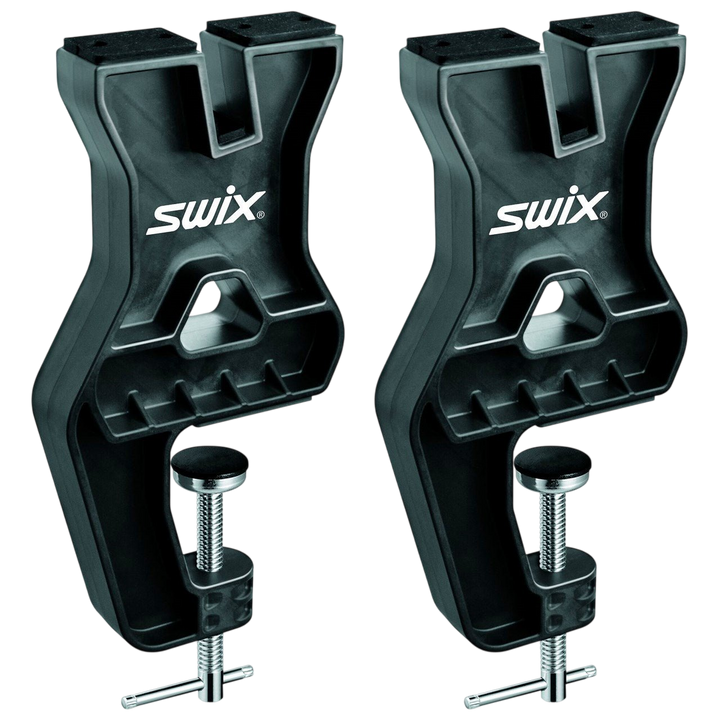
Swix F4 Ski Vise
Keeps the alpine ski stable when you wax, scrape, brush, and work on the steel edges.
Check that the vise fits the ski's width and that the ski can be positioned both base-up and on its side.
-
Brake retainers
 Available to order
Swix
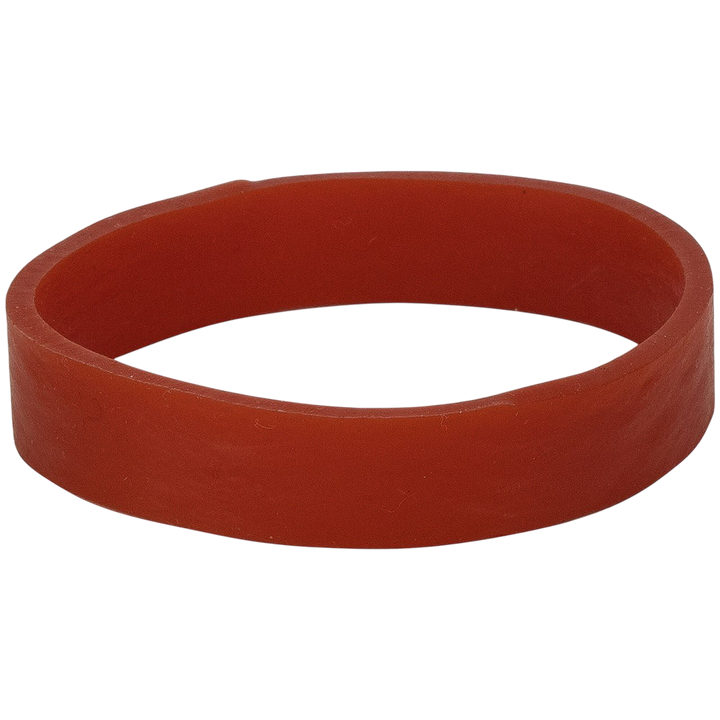
Rubber bands for ski brakes - 10 pack
Keep the ski brakes out of the way so the entire base and steel edges are accessible.
Check that the straps are secure before you start with the iron, scraper, or edge tools.
-
Waxing iron
 Available to order
Swix
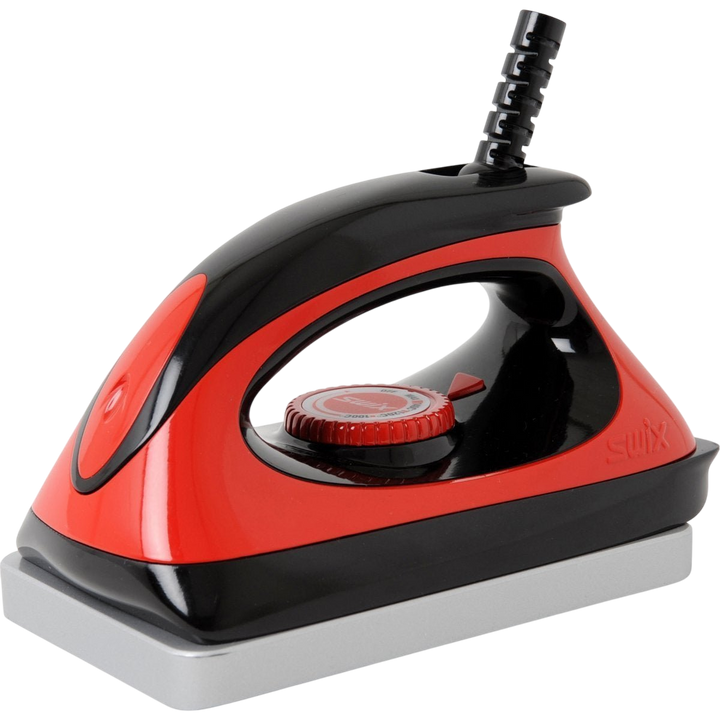
Swix T77 Waxing Iron
A proper waxing iron for even and controlled heating of solid glide wax.
Set the temperature according to the wax instructions and keep the iron moving at all times.

Scraping, brushing and cleaning
The tools that expose the structure and prepare a clean base for fresh wax.
-
Plexi scraper
 Available to order
Swix
Swix Plexi Scraper 3 mm
Scrapes off excess wax and exposes the base structure after cooling.
Sharpen it often. A sharp scraper requires less force and gives better control.
-
Bronze brush
 Available to order
Swix
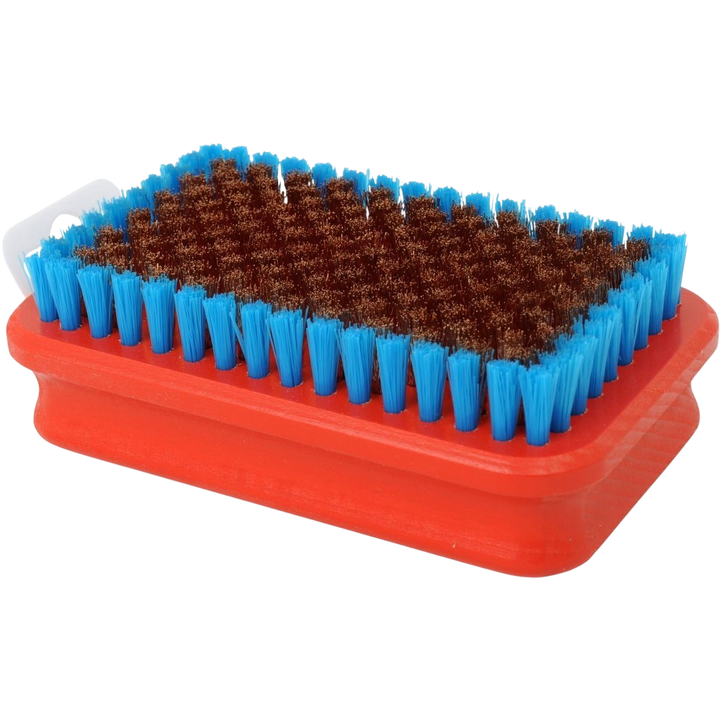
Swix Rectangular Medium Bronze Brush
Brushes remaining wax out of the structure after scraping.
Work from tip to tail with even strokes and keep the brush clean.
-
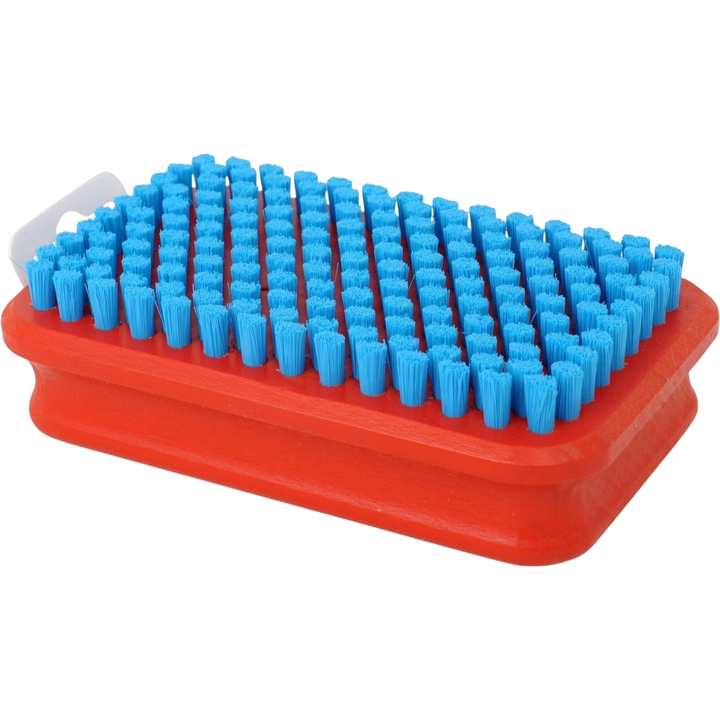
Nylon finish
 Available to order
Swix
Swix Rectangular Fine Nylon Brush Blue
Polishes the base and removes fine wax dust after the coarser brushing.
Finish with light, long strokes and wipe the base afterward.

Edge care and sidewalls
Start with a stone and file guide. Add a file and sidewall planer when the ski actually needs them.
-
File guide
 Available to order
Swix
Swix Side Edge File Guide
Guides a file or diamond stone at a fixed side edge angle.
Choose the same angle the ski already has. If the angle is unknown, it should be checked before filing.
-
Diamond stone
 Available to order
Sidecut
Sidecut Diamond Stone 110 x 25 mm
For routine maintenance, removal of burrs, and polishing of the steel edges.
Use light pressure and a suitable liquid according to the stone's instructions.
-
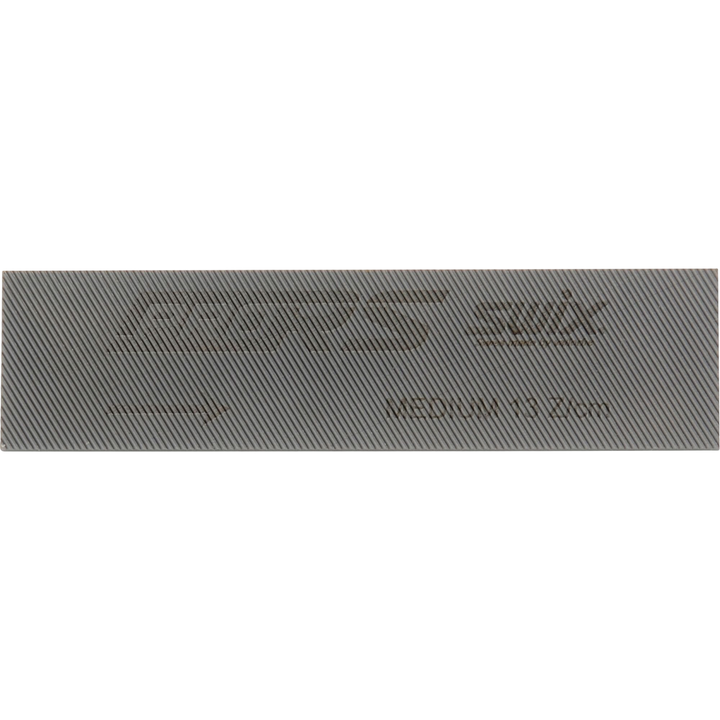
Medium file
 Available to order
Swix
Ski file 10 cm 13 Tpcm - 2nd Cut Medium
Removes more material when the edge is clearly dull or a specific side edge angle needs to be filed in.
Use sparingly and with even, controlled strokes in a stable file guide.
-
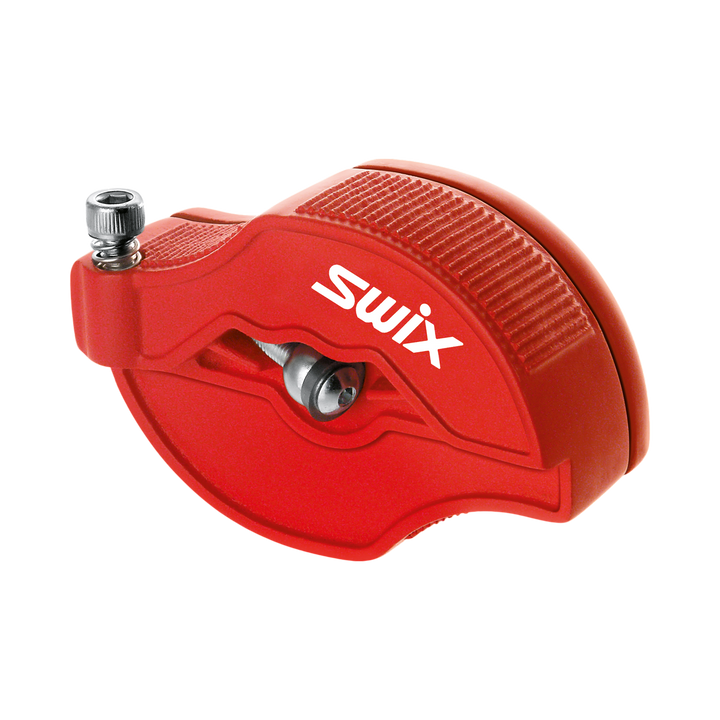
Sidewall
 Available to order
Swix
Swix Sidewall Cutter Sport
Removes plastic that would otherwise prevent the file or stone from reaching the steel edge.
Use only when the sidewall material is actually in the way. It is not a step that should be repeated every time.


Continue in Vallaboden
Guides showing how to use the tools
The equipment guide helps you choose. The practical guides show the working sequence for cleaning, glide waxing and steel edges.
Easy start
Wax the family's alpine skis
Choose between quick liquid glide wax and longer-lasting hot waxing.
Read the guide Glide waxGlide wax alpine skis
See the full process from cleaning and ironing to scraping and brushing.
Read the guide CleaningCleaning alpine skis
Choose between dry brushing, glide wax cleaner and hot scraping according to the base's condition.
Read the guide FamilySharpen the family's alpine skis
A simple process using a file guide, file and diamond stone for ordinary alpine skis.
Read the guide Learn moreSharpen steel edges - complete guide
Explore angles, sidewalls, base edges, files and diamond stones in more detail.
Read the guide BrushesHand brushes and roto brushes
See when fine steel, bronze, horsehair, nylon and roto brushes are used in the process.
Read the guideFrequently asked questions
Questions about waxing equipment for alpine skis
Find answers about basic equipment, the workspace and choosing tools for glide waxing and edge care.
Start with a stable work area, an alpine ski vice, brake retainers, a proper waxing iron, a sharp plexi scraper, a bronze or steel brush, a nylon brush, Fiberlene, cleaner, and a wide-range fluor-free universal glide wax. For basic edge maintenance, a file guide and a medium-fine diamond stone will go a long way.
No. A solid, stable workbench works very well at home. A folding waxing table is mainly practical when the equipment needs to be moved, transported, or stored away.
A proper waxing iron is a better choice. It is designed to distribute wax over the ski, has a suitable base plate, and gives better temperature control. A household iron may have steam holes and uneven temperature regulation and should therefore not be used for ski waxing.
Two brushes are enough to get started: a bronze or steel brush after scraping and a nylon brush for finishing. A separate fine steel or bronze brush before waxing is a good next step when you want to keep the work steps clearly separated.
For a lot of family skiing, a good fluor-free universal glide wax is very useful. Add temperature-specific waxes only when you often ski in distinctly cold, warm, or very abrasive conditions. Always follow the product's temperature range.
No. Roto brushes mainly save time when many pairs of skis need to be prepared. Hand brushes give very good results at home and are easier to control. Roto brushing also creates more dust and requires careful protection.
Use a diamond stone more often for burrs, light surface rust, and polishing. The file removes more material and is used when the edge is clearly dull, damaged, or when a new side edge angle needs to be established. Do not start with the file out of habit.
Base your choice on the angle the ski already has and on how it will be used. Common side edge angles are often between 89 and 87 degrees, and 88 degrees is a common all-round choice. If the existing angle is unknown, it should be checked before you start filing.
When the plastic above the steel edge prevents the file or stone from sitting correctly against the edge. This is often an initial prep step or a more occasional operation, not something that should be done at every edge maintenance session.
Yes. Hot waxing, scraping, brushing, and liquid products can create fumes and fine dust even when the products are fluor-free. Work with good ventilation or extraction and use suitable respiratory protection according to the manufacturer's recommendation.
Build wisely, not bigger
Start with the tools you use every time
A stable ski vise, a good waxing iron, a sharp scraper, and the right brushing sequence deliver more than a box full of specialty tools. Build on that only when you have a specific need.