

Dry and secureDry edges and a stable ski give you control.
Vallaboden - a simple guide to edge care
Sharpen the family's alpine skis - simple step by step
For normal family skiing, edge care does not need to become a science. With the right angle, a diamond stone, and a file used sparingly, you can keep the steel edges even and sharp all season long.
Vallaboden's main rule
Maintain mostly with a diamond stone. Only bring out the file when the stone is not enough - every file stroke permanently removes material from the steel edge.
Keep the angle88° is a good all-round choice, but respect a known original angle.
Stone firstThe diamond stone handles most maintenance.
File sparinglyUse the file only when more material really needs removing.
A small set goes a long way
Three tools do the edge work
For the family's everyday piste skis, you do not need a full race toolkit. A stable file guide, a medium-fine diamond stone and a medium file cover most situations.
File guide or multi-tool
The guide should rest firmly against the base and guide the file or stone along the side edge. An adjustable model makes it easy to maintain 88° or the ski's existing angle.
Avoid freehand filing - small angle errors show along the entire ski.Medium 400 diamond stone
A 400-grit stone is a good all-round choice for burrs, light surface rust and regular maintenance. Wet it with water or fluid as instructed by the product.
This is the tool you will use most often during the season.Medium file for a clearly dull edge
A file removes significantly more steel than a stone. Use it when the edge is rounded or damaged, or when a specific side-edge angle needs restoring.
Two controlled strokes are better than ten uncertain ones.Ski supports, brake retainers and good lighting
The ski must sit securely on its side with the brake held back. Good lighting makes it easier to see rust, burrs and whether the file actually reaches the steel.
A stable workspace improves the result more than another specialist tool.Steel edges are sharp. Never run your fingertip along the edge. Keep your hands behind the tool's direction of travel, work calmly and wipe away metal filings before turning the ski.
Choose a suitable side-edge angle
Keep the ski's existing side-edge angle
Tools can describe the same angle in two ways. An 88° side edge corresponds to a 2° deviation from a right angle. Always check how your tool is marked.
Calmer and less aggressive
Suitable for skiers who prioritise easy-turning, forgiving skis and do not need maximum grip on hard snow.
A good balance for the family's piste skis
Provides clear edge grip without being unnecessarily aggressive. A common all-round choice for adults, teenagers and normal club skiing.
A more aggressive race feel
Gives more bite but needs greater control, more frequent maintenance and more careful handling. Rarely necessary for normal family skiing.
Leave the base edge alone
This simple family guide works from the side only
The base bevel affects how early the ski engages and is difficult to restore once increased. If you do not know the ski's exact setting, do not file the base edge at home.
Important: if the ski needs a new base bevel, the base is concave or convex, or the edges have major rock damage, a full service or the advanced steel-edge guide is a better next step.
Check before the first stroke
Check the ski before starting
Take a minute to inspect the ski before starting. You can then tell whether a stone is enough, a file is needed or the work should be handed over.
Dry the edge and brush away dirt
Water, salt and dirt make it hard to feel how the tool is working and increase rust risk. Always start with a dry, clean ski at room temperature.
Do not sharpen straight after skiing while condensation is still forming.Place the ski on its side and hold back the brake
The ski support should hold the ski without flexing. A brake retainer gives clear access along the whole side edge.
Check the retainer is still secure before each new stage.Check or retain the ski's existing angle
Follow any angle information from the factory or previous service. If unknown, 88° is a reasonable choice only when you deliberately intend to reset the side edge.
Changing the angle requires more filing than normal maintenance.Check whether the sidewall is in the way
If the file catches the plastic above the steel edge, it cannot make proper contact. Carefully remove the obstructing plastic with a sidewall tool instead of pressing harder.
Remove only enough material to provide clear access.Before: mark the side edge
Draw a thin marker line along the side face of the steel. The colour shows exactly where the tool makes contact and where more work is needed.
After: stop when the colour is evenly removed
Once the marking has disappeared evenly along the edge, the tool has reached the whole face. Do not keep filing just to be sure.
Sharpen step by step
Sharpen the side edge in eight steps
Work on the side edge with long, even strokes, removing as little material as possible. Always start with the stone and add the file only when clearly needed.
Clamp the ski on its side
Secure the ski with the side edge you will work on facing up. Hold the brake back with a sturdy retainer and check that the whole edge is accessible.
Work on one edge at a time and turn the ski only after completing the whole sequence.Dry, clean and inspect
Dry the steel and remove loose dirt. Look for surface rust, small burrs, rock nicks and areas where the edge is clearly rounded or uneven.
Deep nicks, cracked edges or major deformation should be left to a workshop.Mark the side edge and set the angle
Mark the side face of the steel. Place the file guide on the ski and check that its sliding surface sits flat against the base without rocking.
88° is a good all-round choice when deliberately setting a new side edge. Otherwise, keep the ski's existing angle.Start with a wetted diamond stone
Secure the medium stone in the guide, wet it as instructed and work with long, light strokes. Wipe the stone and steel between rounds.
The stone should polish and smooth, not be forced through the edge.Use the file only if the stone is not enough
Fit the file in the correct cutting direction. Draw the tool evenly along the edge in the direction the file cuts, usually tip to tail. Lift it on the return instead of sawing back and forth.
Stop frequently and check the marking. Filing is finished when the whole face has been contacted evenly.Return to the diamond stone
After filing, polish at the same angle with medium 400. A fine 600 stone can provide the final finish, but is not essential for the family's piste skis.
Smoother, quieter resistance usually indicates that coarse file marks and burrs are disappearing.Check for a remaining thin burr
After side-edge work, a very thin burr may remain on the base side. If you have a base-edge guide matching the existing angle, make one or two very light passes with a fine stone. Without the correct guide, do not file the base edge.
A gummy stone can be used extremely lightly on a small hanging burr, but do not round off the effective edge.Wipe, inspect and move to the next edge
Wipe away metal filings and fluid. Check the edge in good light and test carefully across the steel, never along it. Then turn the ski and repeat the sequence.
After skiing, always dry the edges before packing the skis away. This reduces rust and makes the next service easier.
The right tool at the right time
The diamond stone maintains - the file restores
The difference is how much steel is removed. The more regularly you use a stone, the less often you need a file.
Diamond stone for burrs, light rust and sharpness
A diamond stone removes little material and suits regular maintenance. Medium 400 is the simplest choice if you use only one stone. Coarse 200 handles more pronounced burrs, and fine 600 is for final polishing.
- Wet the stone as recommended by the manufacturer.
- Use light pressure and clean the stone frequently.
- Suitable after a few days on hard or icy snow.
Medium file when the steel is rounded or damaged
A file sets an angle and removes a noticeable amount of material. It is needed when the edge is very dull, after major repairs or when the stone slides over a rounded edge without restoring bite.
- Work in the file's cutting direction, not back and forth.
- Stop when the marking is evenly removed.
- Always finish with a diamond stone.
A stone is usually enough
Dry the edges, remove small burrs and polish with medium 400. The file can stay in the drawer.
Start with a coarse stone
A hardened burr can damage a fine file. First smooth the area with a coarse diamond stone before deciding whether a file is needed.
File briefly and with control
Restore an even side face with the file guide, stop early and then polish with a diamond stone.
When the file cannot reach the steel
Give the file clear access to the steel edge
The plastic above the edge can catch the guide or file. This causes poor cutting, an uneven angle and the temptation to press too hard.
An occasional task
Remove only obstructing plastic
Use a dedicated sidewall tool and remove thin shavings. The aim is not to reshape the ski, but to create a narrow, clear path so the file and stone reach the steel's side face.
Stop if you are unsure: an incorrect setting can cut into the edge, laminate or too much plastic. Let a workshop do the first clearance if the construction is hard to assess.
Check whether the plastic actually catches
Position the guide without pressing. If the file cannot reach the steel or clearly marks the plastic, the sidewall needs clearing.
Set the tool carefully
Start shallow and take a very thin shaving. Increase only enough for the material to come away evenly.
Work along the entire working area
Hold the tool steadily and follow the side of the ski. Avoid jerking and do not try to remove everything in one pass.
Try the file guide again
The job is complete when the file contacts the steel evenly. Do not keep planing simply to create a larger visible chamfer.
Common mistakes
Six common edge-sharpening mistakes
The best edge work is even, controlled and kept to a minimum. Most mistakes come from too much pressure, too many strokes or a poorly chosen angle.
Filing at every service
The file is not a routine tool. Regular stoning preserves the edge much longer.
Changing angles between sessions
Switching between 89°, 88° and 87° makes the tool contact different parts of the steel, requiring material removal to make the new angle even.
Sawing back and forth
The file cuts in one direction. Make the return stroke without pressure or with the tool lifted.
Pressing harder when the plastic catches
If the sidewall blocks the file, clear it with the right tool. More pressure will not produce the correct angle.
Using the diamond stone dry
Follow the product guidance on water or grinding fluid. A clogged stone cuts less effectively and wears faster.
Filing the base edge by guesswork
The base bevel affects ski behaviour and cannot be reduced without grinding down the base and edge. Leave it alone during simple family ski servicing.
Products for the process
Tools for sharpening the family's ski edges
Find the tools used in this guide. Medium 400 is the most versatile diamond stone if you choose only one grit.
Core tools for the steel edge
File guide, diamond stone and file. Start with the stone and keep the file in reserve.
-
File guide
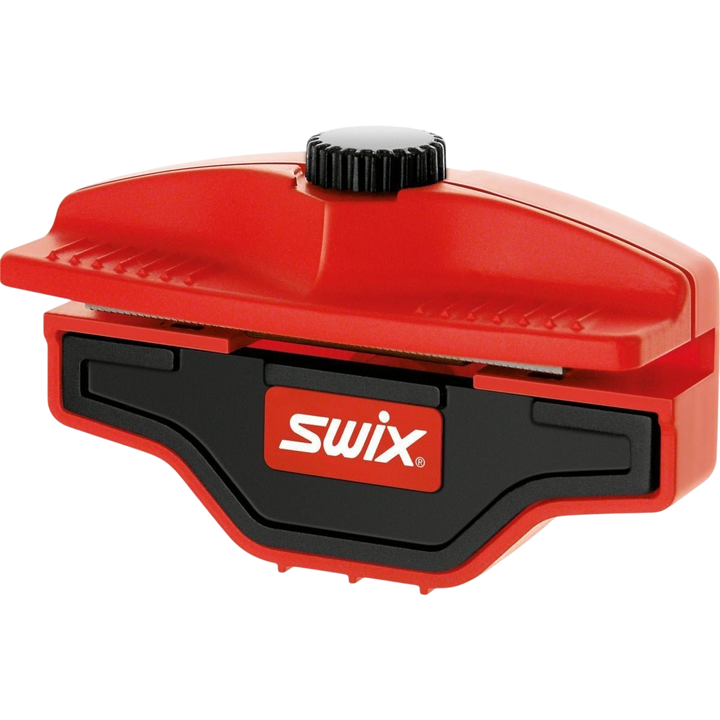 Available to order
Swix
Swix Phantom Edge File Holder
Adjustable file guide that controls the file and diamond stone at a specific side edge angle.
Set it to the same angle the ski already has. For the family's regular on-piste skis, 88° is a good all-round choice.
-
Diamond stone
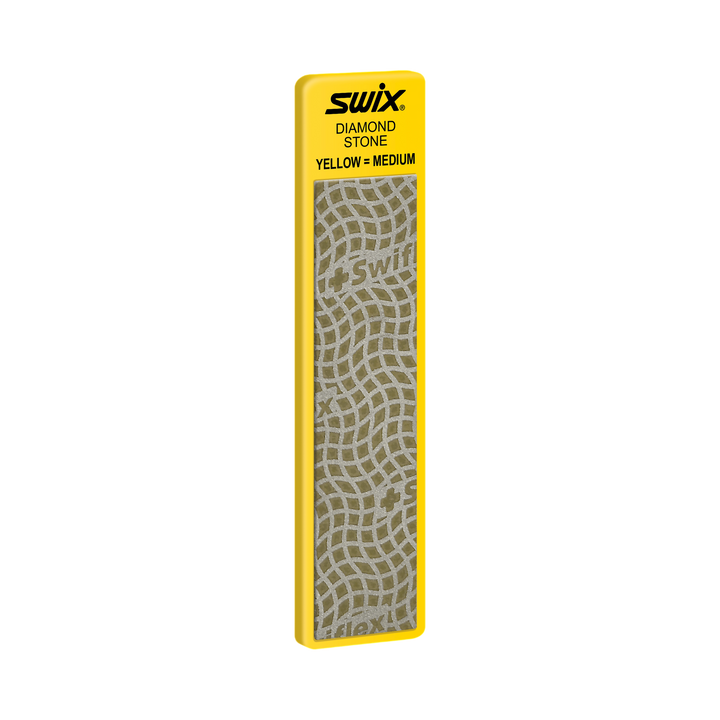 Available to order
Swix
Swix Diamond File Plastic Base
For burrs, light surface rust, and regular maintenance with minimal material removal.
Choose Medium 400 if you are only going to have one stone. Moisten and clean it according to the product instructions.
-
Medium file
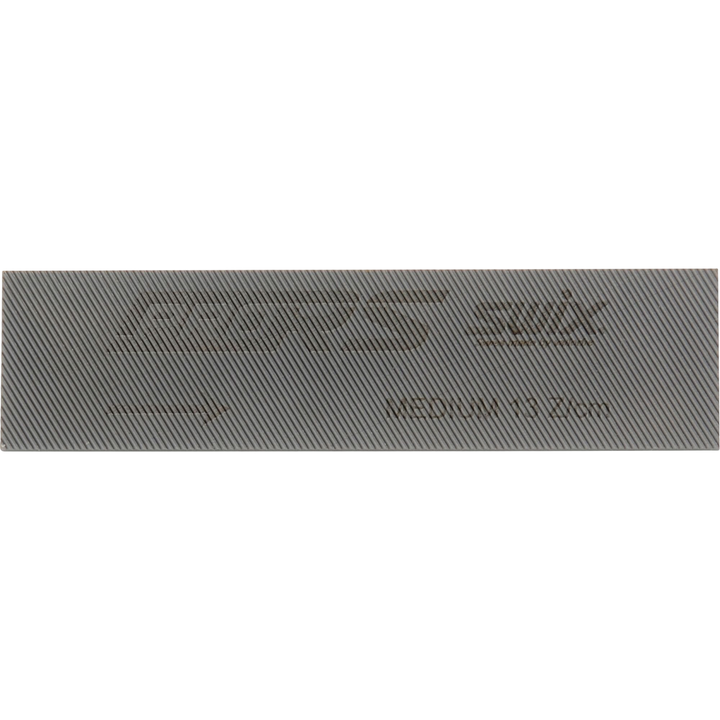 Available to order
Swix
Ski file 10 cm 13 Tpcm - 2nd Cut Medium
Restores a clearly dull or rounded side edge when the diamond stone is no longer sufficient.
Use sparingly, in the correct cutting direction, and always in a stable file guide. Finish with a diamond stone.
Secure support and clear access to the edge
Ski supports and brake retainers keep the work stable. A sidewall tool is needed only when plastic obstructs the file.
-
Brake retainer band
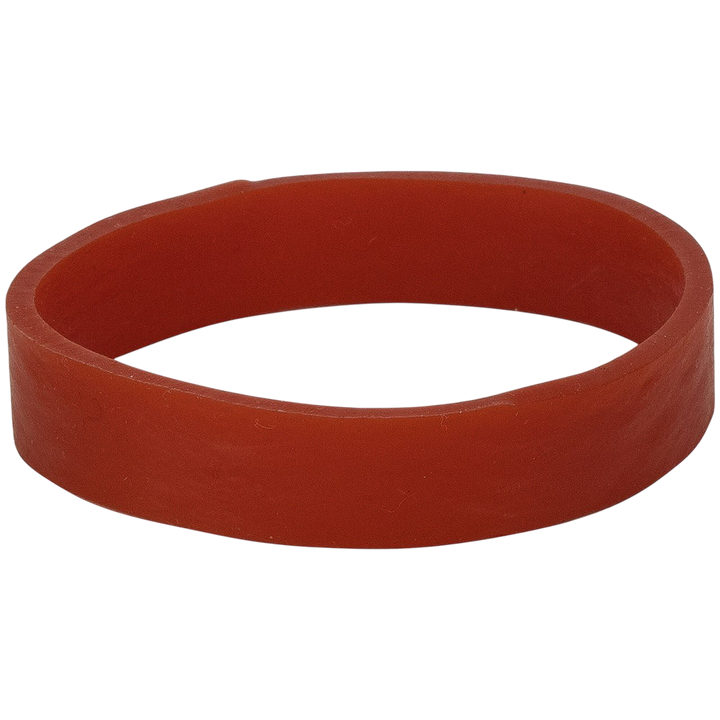 Available to order
Swix
Rubber bands for ski brakes - 10 pack
Keeps the ski brakes out of the way so that the entire side edge is accessible.
Check that the band is securely in place before each step and remove it when the work is complete.
-
Ski vise
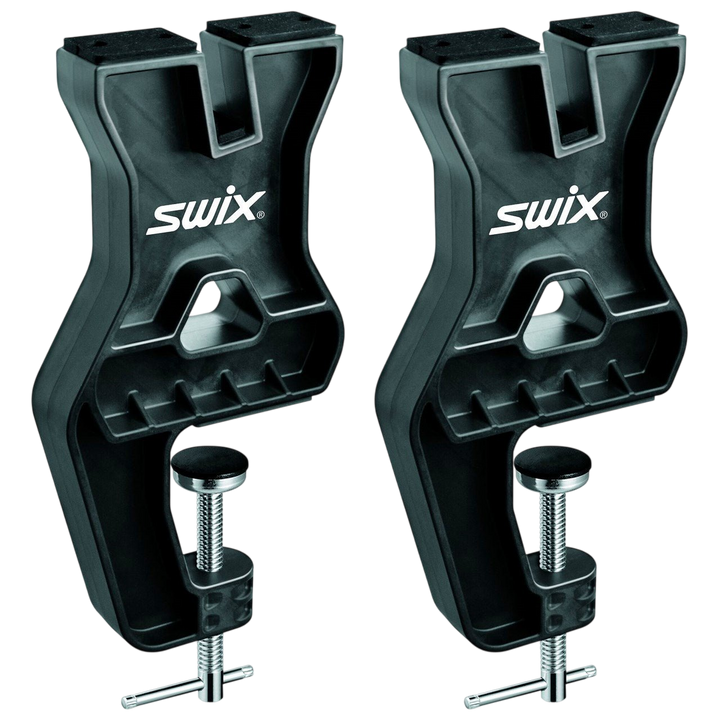 Available to order
Swix
Swix F4 Ski Vise
Keeps the ski stable on its side during edge work and flat during waxing.
A ski that does not move gives a more consistent angle and reduces the risk of the file catching.
-
Sidewall
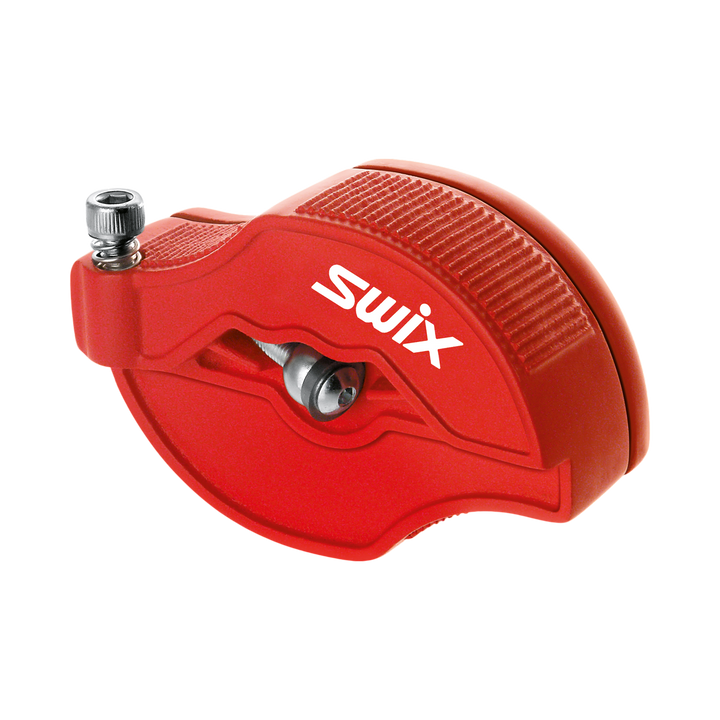 Available to order
Swix
Swix Sidewall Cutter Sport
Removes a small amount of plastic when the sidewall prevents the file or stone from reaching the steel edge.
Use only when the plastic is actually in the way and set the tool for very thin shavings.
Continue in Vallaboden
More guides for the family's skis
This simple sequence is enough for routine maintenance. For angles, base edges or larger damage, continue to the complete steel-edge guide.
Learn more
Sharpen steel edges - complete guide
Learn more about base bevel, side edges, multiple diamond grits, tools and advanced troubleshooting.
Read the guide FamilyWax the family's alpine skis
Simple glide waxing that protects the base and improves speed on connecting runs and flat sections.
Read the guide EquipmentWaxing equipment for alpine skis
Set up a stable workspace with ski supports, a waxing iron, brushes and the right edge tools.
Read the guide CleaningCleaning alpine skis
Choose the right method for removing dirt and wax residue before preparing the base and steel edges.
Read the guide StorageStoring alpine skis for summer
Protect the base and steel edges from drying, moisture and active rust between seasons.
Read the guide Glide waxGlide wax alpine skis
Choose quick liquid wax or more durable hot waxing to match your ambitions.
Read the guideFrequently asked questions
Frequently asked questions about edge sharpening
Answers to common questions about side-edge angles, tools and maintaining the family's skis.
88 degrees, which corresponds to a 2-degree side edge angle, is a good all-round choice for regular piste skiing. If the ski’s existing factory angle is known, you should generally keep it. 89 degrees gives a less aggressive bite, while 87 degrees is more aggressive and is rarely necessary for normal family skiing.
Yes, when talking about the side edge. 88 degrees describes the angle between the side of the steel edge and the plane of the base, while 2 degrees describes the deviation from a right angle of 90 degrees. Check how your particular tool is marked.
No. The file removes relatively much steel and should be used when the edge is clearly dull, rounded, or damaged. For normal maintenance, a diamond stone is usually enough. The more often you do light maintenance with a stone, the less often the file needs to be used.
Medium 400 is the most useful all-round choice for the family's skis. Coarse 200 is used for more pronounced burrs and damage, while Fine 600 is suitable for final polishing. If you only buy one stone, 400 is normally the easiest place to start.
Follow the stone’s instructions. Most diamond stones work best moistened with water or the intended grinding fluid. The liquid helps carry away metal particles. Dry the stone and steel edge thoroughly after the work.
Not in the simple family guide. The base bevel affects how the ski behaves and is difficult to restore once it has been increased. If you have a base edge guide that matches the ski’s existing angle, a thin hanging burr can be removed with a very fine stone and extremely light pressure. Otherwise, leave the base edge to a full edge service.
When the plastic above the steel edge prevents the file or stone from sitting correctly against the steel. Remove only enough material for the tool to have a clear path. This is a less frequent step and should not be done at every maintenance session.
Dry them after every ski day. Check and polish with a diamond stone when you feel burrs, see light surface rust, or notice reduced grip on hard snow. The exact interval depends on the snow surface, contact with rocks, the ski’s steel, and how often the skis are used.
Not as a routine on modern piste skis. An evenly sharp edge is often more predictable. If the ski feels hooky or difficult to control, the edge angles, base flatness, and any damaged sections should be checked before you start detuning the tip or tail.
For deep rock gouges, a cracked or deformed steel edge, heavy rust, an uneven base, unknown edge geometry, or when you want to change the base bevel. Also bring the ski in if the file does not make even contact despite a correct guide and a cleared sidewall.
Sharp edges with less wear
Maintain lightly and often - file rarely
A medium-fine diamond stone and a few calm strokes after hard or icy ski days keep the edges in good condition. The file is only used when the edge actually needs to be restored.