
Brushes
Brushes are used to clean, open the structure, and polish the sliding surfaces. The right brush at the right step makes a big difference for the glide and the final finish. Read more further down the page.


Original price
199 kr
-
Original price
199 kr
Original price
199 kr
199 kr
199 kr
-
199 kr
Current price
199 kr
Skigo Nylon Brush
With the SKIGO Nylon Brush, you polish the surface after using SKIGO's Steel Brush MS. Brush 10 to 20 times to remove loose residues on the base. B...
View full details
Original price
199 kr
-
Original price
199 kr
Original price
199 kr
199 kr
199 kr
-
199 kr
Current price
199 kr
Original price
829 kr
Original price
829 kr
-
Original price
829 kr
Original price
829 kr
Current price
599 kr
599 kr
-
599 kr
Current price
599 kr
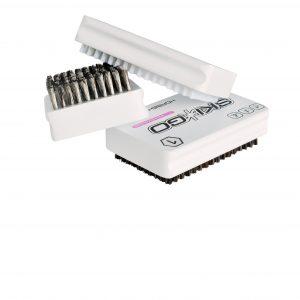
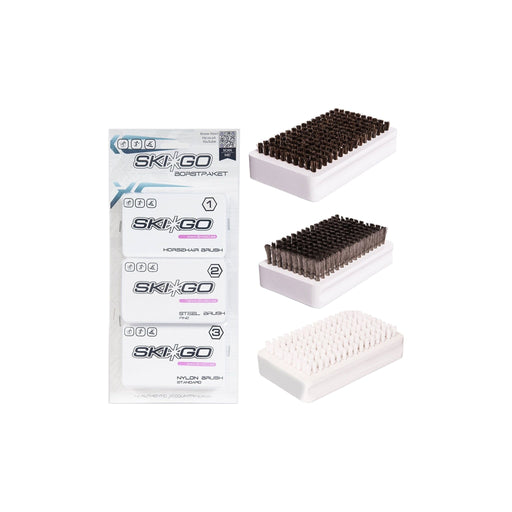
Skigo Brush Set 3 pcs nylon/horsehair/steel
With SKIGO's Nylon Brush, you polish the surface after using SKIGO's Steel Brush MS. Brush 10 to 20 times to remove loose residues on the base. Bef...
View full details
Original price
829 kr
Original price
829 kr
-
Original price
829 kr
Original price
829 kr
Current price
599 kr
599 kr
-
599 kr
Current price
599 kr
Sale


Original price
199 kr
-
Original price
199 kr
Original price
199 kr
199 kr
199 kr
-
199 kr
Current price
199 kr
Skigo Tagel Brush
Skigo The horsehair brush is used after scraping. What the horsehair brush does is bring out most of the structure in the base and remove paraffin ...
View full details
Original price
199 kr
-
Original price
199 kr
Original price
199 kr
199 kr
199 kr
-
199 kr
Current price
199 kr


Original price
499 kr
-
Original price
499 kr
Original price
499 kr
499 kr
499 kr
-
499 kr
Current price
499 kr
Skigo Steel Brush
Skigo Steel Brush MS opens up the microstructure in the base. Make 2-4 strokes after horsehair brushing to have a good foundation for proceeding wi...
View full details
Original price
499 kr
-
Original price
499 kr
Original price
499 kr
499 kr
499 kr
-
499 kr
Current price
499 kr


Original price
199 kr
-
Original price
199 kr
Original price
199 kr
199 kr
199 kr
-
199 kr
Current price
199 kr
Skigo Nylon Brush Fine
Skigo Nylon Brush fine is a brush with very fine bristles that you use during final polishing to polish up the base's microstructure in a quick and...
View full details
Original price
199 kr
-
Original price
199 kr
Original price
199 kr
199 kr
199 kr
-
199 kr
Current price
199 kr
Sold out
How brushes work during waxing
Brushes are used both before and after waxing to clean the base, open the ski's structure, and polish to create a shiny, fast surface. The right combination of brushes provides better glide, longer durability, and a professional finish.
Different types of brushes
- Steel brush – used before waxing to open the structure and remove dirt. Can also be used lightly after scraping hard waxes.
- Brass brush – all-around brush for cleaning and pre-brushing before waxing.
- Horsehair brush – standard brush for after-polishing and final finish.
- Nylon brush – for fine finish and maximum shine on racing skis.
- Rotary brushes – used with a drill for faster and more even brushing of multiple pairs of skis.
How to brush your skis
- Always brush in the ski's glide direction – from tip to tail.
- Start with a coarse brush (steel or brass) for cleaning.
- After scraping: use a horsehair brush to bring out the glide.
- Finish with a nylon brush for a shiny and fast surface.
Tips for best results
- Use separate brushes for different types of wax to avoid contamination.
- Clean the brushes regularly – old wax residues reduce effectiveness.
- Store the brushes dry and protected from dirt.
- Rotary brushes are effective but should be used with a protective cover and caution.
FAQ – common questions about brushes
Do I need multiple brushes?
Yes, at least two – one for cleaning (brass/steel) and one for finish (nylon/horsehair). For best results: three steps – coarse, medium, and fine.
Can I brush too hard?
Yes, especially with a steel brush. Work calmly and with light pressure – the brush should do the job, not the force.
Are rotary brushes better than hand brushes?
They are faster and provide more even results for many pairs of skis, but require caution and the right speed.
How long do brushes last?
With proper care, for several years. Clean them regularly and avoid letting them get damp or dirty.