
Socks
The right socks and insoles make skiing more comfortable. They provide warmth, support, and reduce the risk of blisters. Read more further down the page.
Original price
349 kr
-
Original price
349 kr
Original price
349 kr
349 kr
349 kr
-
349 kr
Current price
349 kr
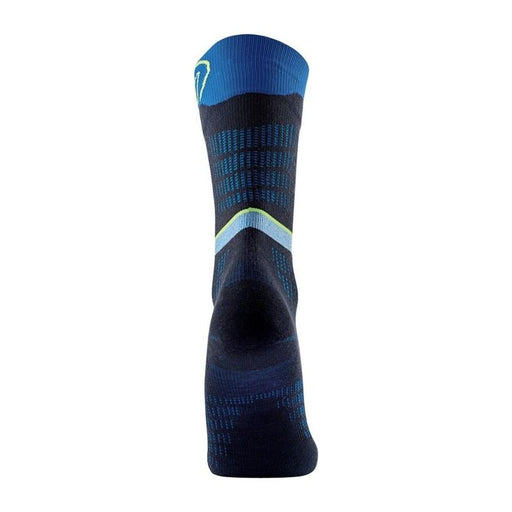
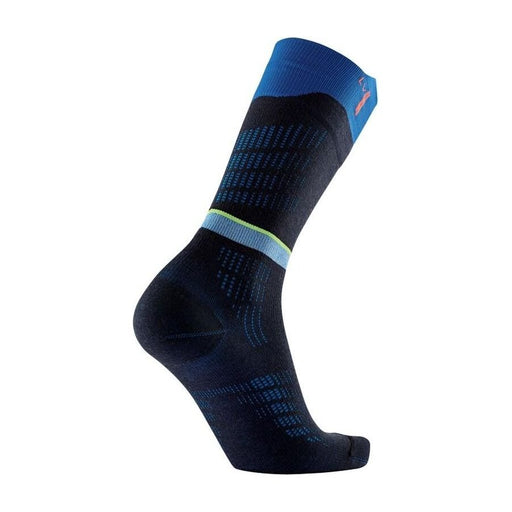
Sidas Ski Nordic Performance Socks
SIDAS SKI NORDIC PERFORMANCE SOCKS for cross-country skiing "Common Sidas cross-country socks. Get insanely good feedback from people who use them,...
View full details
Original price
349 kr
-
Original price
349 kr
Original price
349 kr
349 kr
349 kr
-
349 kr
Current price
349 kr
Why socks and insoles are important
Ski socks and insoles are perhaps the most underrated part of ski equipment. They affect both comfort, warmth, and how well you connect with the boot. The right socks and insoles can make the difference between a long, pleasant day on the slopes and a short trip with cold feet.
Ski Socks
- Made from materials like wool blends or technical synthetics for warmth and moisture transport.
- Thinner than regular socks – to make room in the boot and reduce the risk of chafing.
- Often with reinforcements at the shin, heel, and toe for better comfort.
Insoles
- Provide extra support for the arch and heel.
- Improve the fit in the boot.
- Can contribute to better blood circulation and warmth in the feet.
Benefits of the right socks and insoles
- Warm and dry feet all day.
- Less risk of blisters and chafing.
- Better fit and comfort in the boots.
- More stable feeling and more control in skiing.
Tips from us
- Always use thin ski socks – thick cotton socks only make your feet colder.
- Change socks every day to avoid moisture and cold.
- Try insoles if you feel the boots are too big or if you want extra support.
FAQ – Common questions about socks and insoles
Can I use regular socks in ski boots?
No, ski socks are thinner and adapted to work in tight boots. Regular socks are often too thick and cause chafing.
Do I need insoles in my boots?
Not always, but insoles can improve fit and provide more support and comfort – especially on longer days.
What material is best for ski socks?
Merino wool is popular for warmth and moisture transport, often combined with synthetic for durability.
Can insoles help with cold feet?
Yes, insoles with support improve blood circulation and can, along with the right socks, keep feet warmer.