
Sand
Scrapers are used to remove excess wax. Keep them sharp for best results. Read more further down the page.

Original price
179 kr
-
Original price
179 kr
Original price
179 kr
179 kr
179 kr
-
179 kr
Current price
179 kr
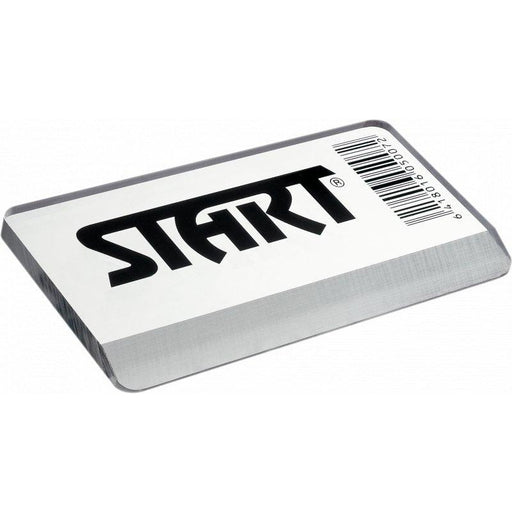
Start Tape Scraper 6mm
Start Tape Scraper is a special scraper with a beveled edge that makes it easier to remove tape. The other side has a regular 90-degree edge that c...
View full details
Original price
179 kr
-
Original price
179 kr
Original price
179 kr
179 kr
179 kr
-
179 kr
Current price
179 kr

Original price
49 kr
-
Original price
49 kr
Original price
49 kr
49 kr
49 kr
-
49 kr
Current price
49 kr
Swix Groove Scraper Pen Model
Swix Groove Scraper in pen model for removing glue and wax from the groove.
Original price
49 kr
-
Original price
49 kr
Original price
49 kr
49 kr
49 kr
-
49 kr
Current price
49 kr


Original price
39 kr
-
Original price
39 kr
Original price
39 kr
39 kr
39 kr
-
39 kr
Current price
39 kr
Skigo Steering Track Scraper
With SKIGO's Groove Scraper, you can easily clean all types of grooves in the ski by using the Groove Scraper, which has different radii at the top...
View full details
Original price
39 kr
-
Original price
39 kr
Original price
39 kr
39 kr
39 kr
-
39 kr
Current price
39 kr
Sold out

Original price
39 kr
-
Original price
39 kr
Original price
39 kr
39 kr
39 kr
-
39 kr
Current price
39 kr
Swix Steering Track Wax Scraper
Swix practical all-in-one scraper specially developed with the grooves in mind. For removing both grip wax and klister. Fits all cross-country skis...
View full details
Original price
39 kr
-
Original price
39 kr
Original price
39 kr
39 kr
39 kr
-
39 kr
Current price
39 kr

Original price
59 kr
-
Original price
59 kr
Original price
59 kr
59 kr
59 kr
-
59 kr
Current price
59 kr
Swix Scraper for wax and glue
Practical metal and plastic scraper for removing glue from skis Practical scraper for removing grip wax and glue. DETAILS Scraper For wax and glu...
View full details
Original price
59 kr
-
Original price
59 kr
Original price
59 kr
59 kr
59 kr
-
59 kr
Current price
59 kr

Original price
59 kr
-
Original price
59 kr
Original price
59 kr
59 kr
59 kr
-
59 kr
Current price
59 kr
Swix Wax Scraper
Swix practical all-purpose scraper. For removing both grip wax and klister. Fits all cross-country skis. Convenient format.
Original price
59 kr
-
Original price
59 kr
Original price
59 kr
59 kr
59 kr
-
59 kr
Current price
59 kr


Original price
79 kr
-
Original price
79 kr
Original price
79 kr
79 kr
79 kr
-
79 kr
Current price
79 kr
Skigo Cleaning & Grip Wax Scraper
A MUST-HAVE IN THE WAXING BOX! SKIGO's Cleaning/Grip Wax Scraper, Skigo Scraper cleaning, is perfect for removing old grip wax. SKIGO has post-proc...
View full details
Original price
79 kr
-
Original price
79 kr
Original price
79 kr
79 kr
79 kr
-
79 kr
Current price
79 kr

Original price
99 kr
-
Original price
99 kr
Original price
99 kr
99 kr
99 kr
-
99 kr
Current price
99 kr
Start Control Track Scraper
Control groove scraper (START GROOVE SCRAPER)
Original price
99 kr
-
Original price
99 kr
Original price
99 kr
99 kr
99 kr
-
99 kr
Current price
99 kr
How scrapers work
Scrapers are the tools you use to remove excess wax after you've heated it into the base. A good scraper allows you to work efficiently and bring out the ski's structure before you start brushing and polishing.
Different types of scrapers
- Plastic scraper – standard for glide wax, used to scrape off paraffin after it has cooled. Usually 3–5 mm thick.
- Metal scraper – used to remove glue and hard dirt in the grip zone. Should not be used on the entire base.
- Groove scraper – smaller tool for cleaning edges and details around the steel edge and groove.
How to use a scraper
- Let the wax cool completely after applying it with a waxing iron.
- Use a sharp, flat plastic scraper and scrape in the ski's glide direction.
- Hold the scraper at an even angle and work with long strokes.
- Clean edges and possibly the groove with a smaller scraper.
- Then brush out the structure with steel/brass and finish with nylon/horsehair.
Keep the scraper sharp
For the scraper to work effectively, it needs to be kept sharp. A dull scraper makes the work heavy and gives poorer results. Use a scraper sharpener to quickly restore a straight and sharp edge – it's an easy way to extend the tool's lifespan and achieve smoother scraping.
Tips for best results
- Ensure the scraper is always flat and sharp – sharpen it regularly.
- Use a plastic scraper for glide wax and a metal scraper only in the grip zone.
- Always brush after scraping to bring out the glide.
FAQ – Common questions about scrapers
Which scraper should I choose?
A 4 mm plastic scraper is sufficient for most. Feel free to complement with a metal scraper for glue and a small fine scraper for the edges.
How often should I sharpen the scraper?
As soon as it feels blunt or doesn't scrape evenly. With a scraper sharpener, it's quick to restore the sharpness.
Can I use a metal scraper on the entire base?
No, there's a risk of scratching the ski. Metal scraper is only for the grip zone and glue.
How do I know when I'm done scraping?
When you no longer get any wax residue and the structure is clearly visible, the base is ready for brushing.