
Rotating brushes
Rotary brushes do the job quickly and efficiently. Perfect for those who want to brush many skis or achieve a professional finish. Read more further down the page.

Original price
649 kr
-
Original price
649 kr
Original price
649 kr
649 kr
649 kr
-
649 kr
Current price
649 kr
Swix Rotobrush Nylon
Swix Rotobrush Nylon – 100 mm Rotobrush in nylon for polishing glide wax. Used as the final step after scraping and any metal brushing to achieve m...
View full details
Original price
649 kr
-
Original price
649 kr
Original price
649 kr
649 kr
649 kr
-
649 kr
Current price
649 kr

Original price
499 kr
-
Original price
499 kr
Original price
499 kr
499 kr
499 kr
-
499 kr
Current price
499 kr
Swix Rotobrush Bristle
Rotobrush made of high-quality horsehair. Used as a first brush on all types of glide wax. The rotobrush has an exte...
View full details
Original price
499 kr
-
Original price
499 kr
Original price
499 kr
499 kr
499 kr
-
499 kr
Current price
499 kr


Original price
749 kr
-
Original price
749 kr
Original price
749 kr
749 kr
749 kr
-
749 kr
Current price
749 kr
Swix Handle for rotary brush up to 140mm
Swix Rotohandle for roto brush. Handle, guard, and shaft for roto brushes. Hexagonal six-sided shaft that fits roto brushes with a length of up to ...
View full details
Original price
749 kr
-
Original price
749 kr
Original price
749 kr
749 kr
749 kr
-
749 kr
Current price
749 kr

Original price
999 kr
-
Original price
999 kr
Original price
999 kr
999 kr
999 kr
-
999 kr
Current price
999 kr
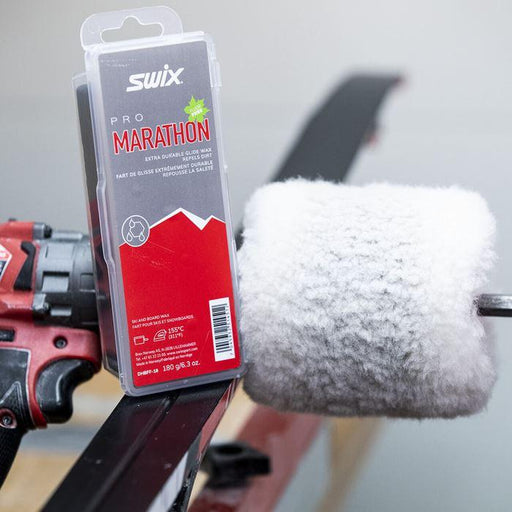
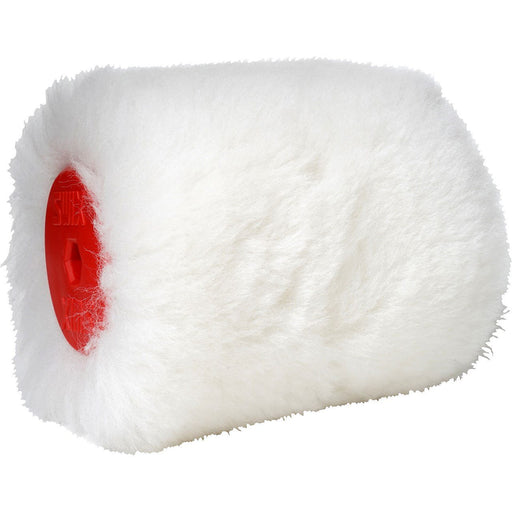
Swix Rotary Brush Fleece
Rotary brushes in hard fleece are often used for topping. It is also an excellent product for improving the pene...
View full details
Original price
999 kr
-
Original price
999 kr
Original price
999 kr
999 kr
999 kr
-
999 kr
Current price
999 kr
Original price
999 kr
-
Original price
999 kr
Original price
999 kr
999 kr
999 kr
-
999 kr
Current price
999 kr
Swix Rotobrush Merino Wool Luxury
It has never been easier to get a good glide! Merino wool brush of the best quality for applying wax without the need for an iron. Fluffy and thick...
View full details
Original price
999 kr
-
Original price
999 kr
Original price
999 kr
999 kr
999 kr
-
999 kr
Current price
999 kr

Original price
1 899 kr
-
Original price
1 899 kr
Original price
1 899 kr
1 899 kr
1 899 kr
-
1 899 kr
Current price
1 899 kr
Swix Rotobrush Steel
Rotobrush with high-quality steel bristles. For cleaning and opening up the structure of the base before waxing. Can...
View full details
Original price
1 899 kr
-
Original price
1 899 kr
Original price
1 899 kr
1 899 kr
1 899 kr
-
1 899 kr
Current price
1 899 kr


Original price
449 kr
-
Original price
449 kr
Original price
449 kr
449 kr
449 kr
-
449 kr
Current price
449 kr
Skigo Rotobrush Cork
NEW MATERIAL! Carefully balanced hardness in the cork material with a strong binder makes the cork withstand high temperatures and a lot of fricti...
View full details
Original price
449 kr
-
Original price
449 kr
Original price
449 kr
449 kr
449 kr
-
449 kr
Current price
449 kr

Original price
599 kr
-
Original price
599 kr
Original price
599 kr
599 kr
599 kr
-
599 kr
Current price
599 kr
Swix Rotobrush Wild Boar
Swix Rotobrush Wild Boar is used as the first brush on alpine skis. High quality of the bristles. The rotobrush has an external width from edge to ...
View full details
Original price
599 kr
-
Original price
599 kr
Original price
599 kr
599 kr
599 kr
-
599 kr
Current price
599 kr

Original price
799 kr
-
Original price
799 kr
Original price
799 kr
799 kr
799 kr
-
799 kr
Current price
799 kr
Swix Rotobrush Merino Wool 100mm
Merino wool brush for cold application of wax. High-quality merino wool brush for applying wax without the need for a waxing iron. DETAILS Profe...
View full details
Original price
799 kr
-
Original price
799 kr
Original price
799 kr
799 kr
799 kr
-
799 kr
Current price
799 kr

Original price
899 kr
-
Original price
899 kr
Original price
899 kr
899 kr
899 kr
-
899 kr
Current price
899 kr
Shaft/Handle for rotary brush up to 120mm
Shaft / Handle for rotary brush up to 120mm Rotary brushes used with screwdrivers or drills are an indispensable tool. Very well-balanced bearings...
View full details
Original price
899 kr
-
Original price
899 kr
Original price
899 kr
899 kr
899 kr
-
899 kr
Current price
899 kr


Original price
1 499 kr
-
Original price
1 499 kr
Original price
1 499 kr
1 499 kr
1 499 kr
-
1 499 kr
Current price
1 499 kr
Skigo Rotobrush Steel
A polished steel rotor brush that you can easily brush out and open up the base with to start your waxing from scratch. NOTE! Be very careful when ...
View full details
Original price
1 499 kr
-
Original price
1 499 kr
Original price
1 499 kr
1 499 kr
1 499 kr
-
1 499 kr
Current price
1 499 kr
Sold out
This is how rotary brushes work
Rotary brushes are machine brushes mounted on a drill or screwdriver. They are used to quickly brush out the base after waxing and to polish a smooth and shiny surface. With a rotary brush, you save time and achieve a more consistent result compared to hand brushes.
Advantages of rotary brushes
- Significantly faster than traditional hand brushes.
- Provides a more even and professional result.
- Perfect for waxing teams, clubs, and those who wax many pairs of skis.
- Reduces physical effort during brushing.
Different types of rotary brushes
- Steel rotor – opens the structure and removes hard residues.
- Brass rotor – all-round for cleaning and pre-brushing.
- Horsehair rotor – used for wax removal and polishing.
- Nylon rotor – standard for final finish, provides a shiny surface.
How to use rotary brushes
- Mount the rotary brush on the drill and use a protective cover for safety.
- Always brush in the direction of the ski – from tip to tail.
- Maintain even pressure and let the brush do the work.
- Use different brushes in the correct order: coarse first, nylon/horsehair last.
Tips for best results
- Invest in several different rotary brushes for different steps.
- Clean the brushes regularly to avoid mixing wax residues.
- Always use safety glasses and preferably a vacuum cleaner to minimize particles in the air.
FAQ – Common questions about rotary brushes
Do I need rotary brushes as a recreational skier?
No, hand brushes are sufficient for most. Rotary brushes are best if you wax frequently or many pairs of skis.
Can I use the same rotary brush for everything?
You can, but for best results, several different brushes are recommended for different steps.
Are rotary brushes dangerous to use?
No, but always use a protective cover and glasses – the brushes rotate quickly. A must when working with steel rotary brushes!
What speed should I use?
A relatively high speed is preferred, ideally about 1500–2000 rpm for best control and results.