
Ice rink
Grip wax provides traction in classic cross-country skiing. Choose wax according to temperature and snow type, apply several thin layers, and cork out for an even and durable grip.

Original price
119 kr
-
Original price
119 kr
Original price
119 kr
119 kr
119 kr
-
119 kr
Current price
119 kr
Swix VG30 Base Wax Blue +1 / -20
Base wax that prevents the grip wax on the skis from wearing out so quickly. Swix VG30 Base Wax Blue is used as a base for all can waxes on new sn...
View full details
Original price
119 kr
-
Original price
119 kr
Original price
119 kr
119 kr
119 kr
-
119 kr
Current price
119 kr

Original price
119 kr
-
Original price
119 kr
Original price
119 kr
119 kr
119 kr
-
119 kr
Current price
119 kr
Swix V45 Can Wax Purple Special +0 / -3
📝 Short Description Swix V45 Violet Special is a versatile grip wax specially adapted for varying winter temperatures around zero. Perfect when t...
View full details
Original price
119 kr
-
Original price
119 kr
Original price
119 kr
119 kr
119 kr
-
119 kr
Current price
119 kr

Original price
119 kr
-
Original price
119 kr
Original price
119 kr
119 kr
119 kr
-
119 kr
Current price
119 kr
Swix V60 Can Wax Red/Silver +3 / -0
📝 Short description Swix V60 Red/Silver is the warmest wax in the V-series, developed especially for wet and mild conditions around zero degrees. ✅...
View full details
Original price
119 kr
-
Original price
119 kr
Original price
119 kr
119 kr
119 kr
-
119 kr
Current price
119 kr


Original price
110 kr
-
Original price
110 kr
Original price
110 kr
110 kr
110 kr
-
110 kr
Current price
110 kr
Toko Nordic GripWax Yellow 0 / -2
Toko Nordic Gripwax Yellow 0 / -2 TOKO Nordic Gripwax Yellow is a grip wax for cross-country skis. The wax can be used as a base wax under other g...
View full details
Original price
110 kr
-
Original price
110 kr
Original price
110 kr
110 kr
110 kr
-
110 kr
Current price
110 kr
Original price
119 kr
-
Original price
119 kr
Original price
119 kr
119 kr
119 kr
-
119 kr
Current price
119 kr
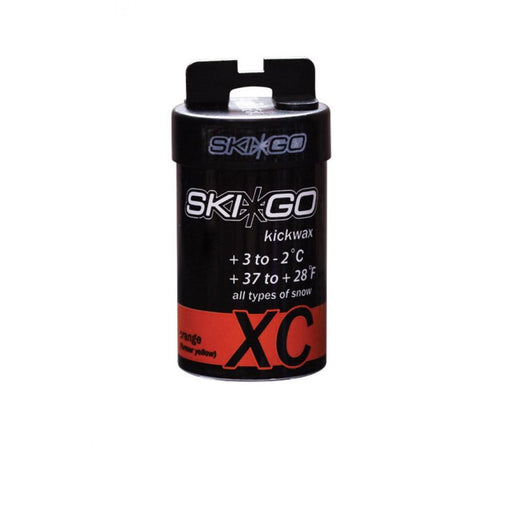
Skigo XC Kickwax Orange +3 / -2
Skigo XC Grip Wax Orange. +3 / -2 degrees A wax for when it is the most difficult to wax. When it might be a bit colder at higher altitudes with fr...
View full details
Original price
119 kr
-
Original price
119 kr
Original price
119 kr
119 kr
119 kr
-
119 kr
Current price
119 kr

Original price
119 kr
-
Original price
119 kr
Original price
119 kr
119 kr
119 kr
-
119 kr
Current price
119 kr
Swix V55 Can Wax Red Special +1 / -0
📝 Short description Swix V55 Red Special is the perfect wax when the conditions are mild, and the temperature fluctuates bet...
View full details
Original price
119 kr
-
Original price
119 kr
Original price
119 kr
119 kr
119 kr
-
119 kr
Current price
119 kr


Original price
129 kr
-
Original price
129 kr
Original price
129 kr
129 kr
129 kr
-
129 kr
Current price
129 kr
Start Fästvalla Violet +1 / -3
Start Fästvalla Purple+1 / -3 For snow temperature around zero. This one is quite unique as it covers the entire range from +1 down to -4 degrees....
View full details
Original price
129 kr
-
Original price
129 kr
Original price
129 kr
129 kr
129 kr
-
129 kr
Current price
129 kr


Original price
119 kr
-
Original price
119 kr
Original price
119 kr
119 kr
119 kr
-
119 kr
Current price
119 kr
Skigo XC Kickwax Red 0 / -2
Skigo XC Grip Wax Red. 0 / -2 degrees A wax used when it starts to get a bit tricky to wax near zero. Very good function just below freezing point....
View full details
Original price
119 kr
-
Original price
119 kr
Original price
119 kr
119 kr
119 kr
-
119 kr
Current price
119 kr

Original price
129 kr
-
Original price
129 kr
Original price
129 kr
129 kr
129 kr
-
129 kr
Current price
129 kr
Start Tjärfästvalla Violet +2 / -2
START TAR ZERO PURPLE +2 / -2 Starts tar wax for new snow conditions. Suitable for recreational skiers in all snow conditions. For fine-grained ne...
View full details
Original price
129 kr
-
Original price
129 kr
Original price
129 kr
129 kr
129 kr
-
129 kr
Current price
129 kr
Original price
129 kr
-
Original price
129 kr
Original price
129 kr
129 kr
129 kr
-
129 kr
Current price
129 kr
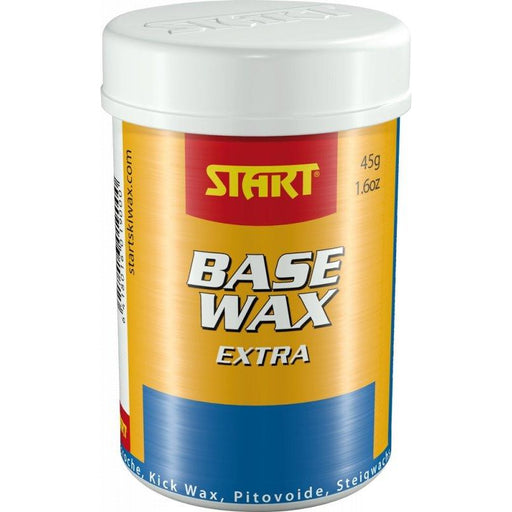
Start Base Coat Extra
The base waxes enhance the durability of the waxing. Start by roughening the ski's surface. Sandpaper with a grit of 100 is recommended. Then appl...
View full details
Original price
129 kr
-
Original price
129 kr
Original price
129 kr
129 kr
129 kr
-
129 kr
Current price
129 kr

Original price
129 kr
-
Original price
129 kr
Original price
129 kr
129 kr
129 kr
-
129 kr
Current price
129 kr
Start Tjärfästvalla Red 0 / -3
START TAR TWO RED 0 / -3 Starts Tjärvallor for new snow conditions. Suitable for recreational skiers in all snow conditions. For fine-grained new ...
View full details
Original price
129 kr
-
Original price
129 kr
Original price
129 kr
129 kr
129 kr
-
129 kr
Current price
129 kr

Original price
129 kr
-
Original price
129 kr
Original price
129 kr
129 kr
129 kr
-
129 kr
Current price
129 kr
Start Fästvalla Yellow +3 / +1
Start Fästvalla Yellow+3 / +1 For older coarse snow. Old coarse snow is more aggressive and abrasive than new snow and requires waxes with better ...
View full details
Original price
129 kr
-
Original price
129 kr
Original price
129 kr
129 kr
129 kr
-
129 kr
Current price
129 kr
How Grip Wax Works
Grip wax is applied in the grip zone to provide traction in the kick without hindering glide. The right wax and correct application make skiing both efficient and gentle, whether it's crisp cold conditions or milder spring snow.
Types of Grip Wax
- Can Wax - for cold and dry conditions. Available in different hardness levels and temperature ranges.
- Klister - for wetter, coarser, or icy tracks. Provides strong grip when can wax is not enough.
- Base Wax - a thin base that allows subsequent layers to adhere and last longer.
How to Choose Grip Wax
- Cold and dry: harder can wax (blue-purple spectrum).
- Zero degrees and humid: softer can or klister.
- Changing conditions: base wax + several thin can layers.
How to Apply
- Clean the grip zone and lightly roughen with sandpaper.
- Apply several thin layers of wax. Cork or heat each layer evenly.
- Let cool between layers and finish with a thin top layer for durability.
Follow the temperature recommendation on the can, and it usually works well. If snow sticks under the ski, you've chosen too warm a wax. If there's poor grip, you've waxed with too cold a wax or too few layers. Always apply several thin layers and cork them out properly. A ski is made for 4 to 7 thin layers of grip wax, and each layer must be corked out with synthetic cork.
Quick Guide
- Can: thin base wax - 3 to 5 thin working layers - cork between each.
- Klister: shorter zone, thin zigzag - smooth out - let set.
- Durability: better to have more very thin layers than one thick.
Common Mistakes
- Too thick a layer - the ski becomes sluggish and uneven.
- Wrong temperature range - slipping or snow sticking.
- Skipped base or roughening - poorer adhesion and shorter durability.
FAQ - Common Questions About Grip Wax
How many layers should I apply?
4 to 7 very thin layers. Cork out each layer with synthetic cork.
When should I use klister?
In wet, coarse-grained, or icy tracks and around zero degrees when can wax is not enough.
Do I always need base wax?
Not always, but in cold, icy, or high wear conditions, the grip holds much better with a thin base.
Snow sticks under the ski - what do I do?
Switch to colder wax or cover a thin klister with can wax to reduce icing.