
Grip wax
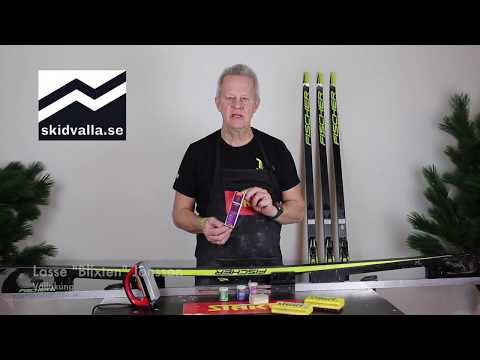
Glue is used in wet, coarse-grained, or icy tracks. Properly applied glue provides fantastic grip and control. Read more further down the page.
This is how glue works
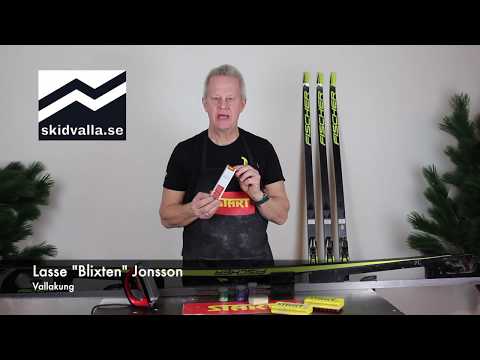
Many are afraid of glue wax – don't be! Glue can provide very good skis and is not as difficult as many think. When can wax is not enough, glue is the obvious choice for getting a grip on the track.
When should you use glue?
- In wet, coarse-grained, or sugary snow.
- When it is icy in the tracks.
- In plus temperatures and heavy spring conditions.
How to apply glue
Glue is applied in a shorter zone than can wax, as it builds more under the skis. Always apply thin and evenly:
- Apply the glue in short lines diagonally backward from the center edge of the ski.
- Distribute the glue evenly with a cork – or even better with your thumb.
- Apply glue indoors if possible; it's much easier to work with when it's warm.
Tips for a better skiing experience
Glue can ice up or freeze when skiing in new snow. To avoid this, you can cover the glue with a thin layer of can wax. This way, you get both good grip and reduce the risk of snow sticking.
Different types of glue
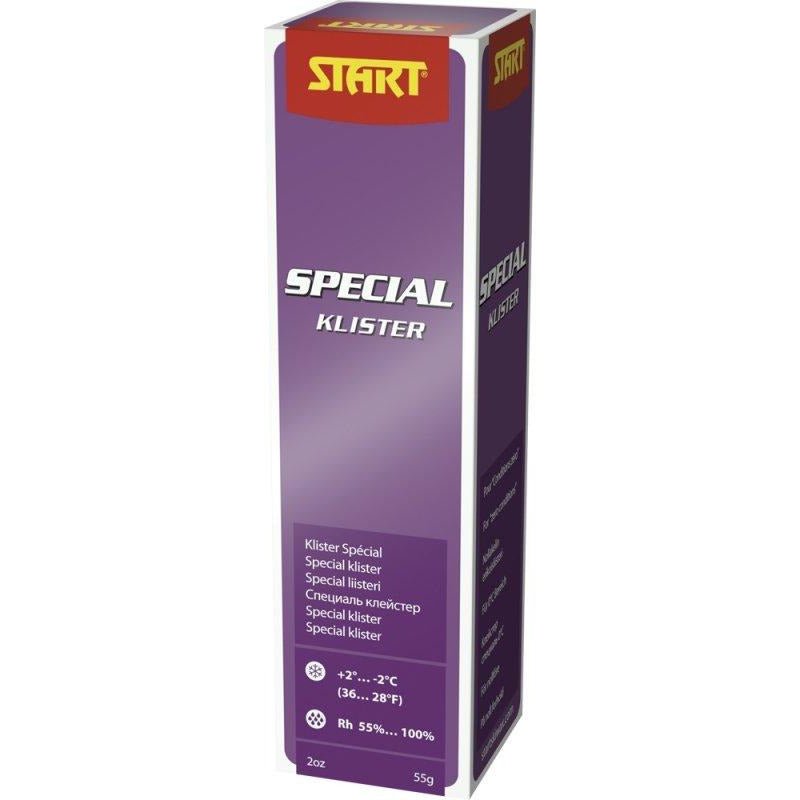
- Universal glue – works in many conditions and is a safe choice in uncertainty.
- Cold glue – for icy tracks and sub-zero temperatures near zero.
- Warm glue – for really wet, coarse tracks, and plus temperatures.
FAQ – Common questions about glue
Is glue difficult to use?
No, it's easier than many think. The important thing is to apply it thinly and evenly.
How do I avoid icing?
Cover the glue with a thin layer of can wax if there's a risk of new snow on the track.
Why should the glue be applied in a shorter zone than can wax?
Since glue builds more under the ski, a shorter zone is sufficient for proper balance.
Can I apply glue outside in the cold?
You can, but it's much easier indoors when the glue is warm and easy to work with.


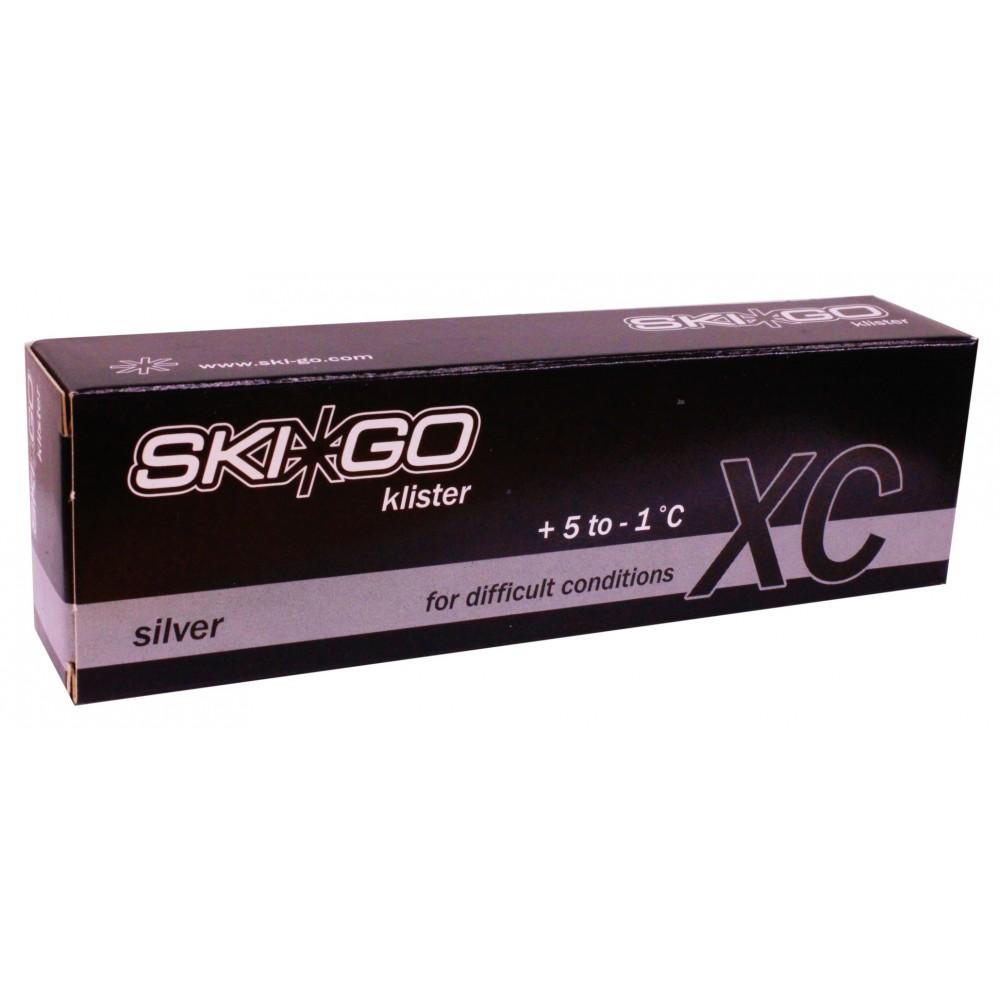
Skigo XC Klister Silver +5 / -1
All loaded