
Blocks / Gelding corks
Blocks are used to smooth and polish wax. The right block ensures that both grip and glide wax adhere better. Read more further down the page.

Original price
79 kr
-
Original price
79 kr
Original price
79 kr
79 kr
79 kr
-
79 kr
Current price
79 kr
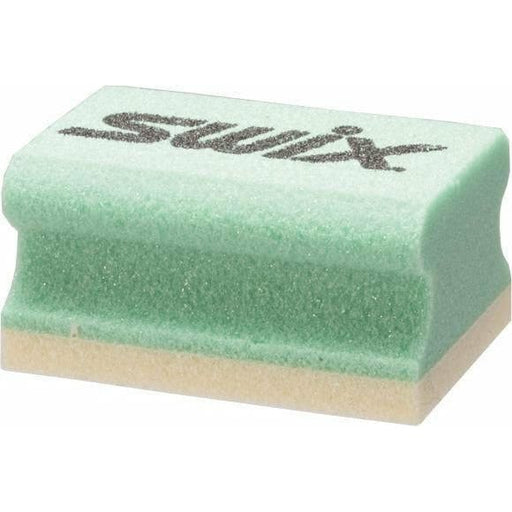
Swix Natural Cork
Swix Natural Cork High-quality natural cork. When it's time for skiing, it's good to give them some love! You can do this by waxing them with this ...
View full details
Original price
79 kr
-
Original price
79 kr
Original price
79 kr
79 kr
79 kr
-
79 kr
Current price
79 kr
Original price
89 kr
-
Original price
89 kr
Original price
89 kr
89 kr
89 kr
-
89 kr
Current price
89 kr
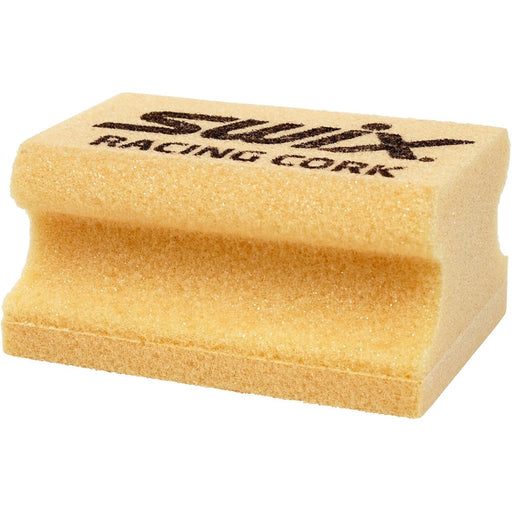
Swix Synthetic Cork for racing
Swix synthetic cork is a compact synthetic cork for racing that is also extra durable. This synthetic cork has a high...
View full details
Original price
89 kr
-
Original price
89 kr
Original price
89 kr
89 kr
89 kr
-
89 kr
Current price
89 kr

Original price
59 kr
-
Original price
59 kr
Original price
59 kr
59 kr
59 kr
-
59 kr
Current price
59 kr
Skigo Wax Block Synthetic
You use SKIGO's Synthetic Block to smooth out and distribute the grip wax on the ski's grip zone. Properties:• Made in Sweden • Durable
Original price
59 kr
-
Original price
59 kr
Original price
59 kr
59 kr
59 kr
-
59 kr
Current price
59 kr

Original price
49 kr
-
Original price
49 kr
Original price
49 kr
49 kr
49 kr
-
49 kr
Current price
49 kr
Swix Sandpaper
Sandpaper for rubbing the grip zone on cross-country skis Individual sandpaper for synthetic corks. For rubbing on the grip zone. DETAILS 3-pack...
View full details
Original price
49 kr
-
Original price
49 kr
Original price
49 kr
49 kr
49 kr
-
49 kr
Current price
49 kr

Original price
89 kr
-
Original price
89 kr
Original price
89 kr
89 kr
89 kr
-
89 kr
Current price
89 kr
Swix Synthetic Block with Sandpaper
Swix Synthetic Block with sandpaper #120. Sandpaper for roughening the grip area on cross-country skis before applying grip wax. Sanding the grip a...
View full details
Original price
89 kr
-
Original price
89 kr
Original price
89 kr
89 kr
89 kr
-
89 kr
Current price
89 kr

Original price
89 kr
-
Original price
89 kr
Original price
89 kr
89 kr
89 kr
-
89 kr
Current price
89 kr
Swix Natural Cork with Felt
First-class natural cork with felt on one side. For polishing wax and liquid top products. Size 44 mm x 66 mm x 34 mm thick. Natural cork with fel...
View full details
Original price
89 kr
-
Original price
89 kr
Original price
89 kr
89 kr
89 kr
-
89 kr
Current price
89 kr

Original price
99 kr
-
Original price
99 kr
Original price
99 kr
99 kr
99 kr
-
99 kr
Current price
99 kr
Start sandpaper (80/100/120)
Sandpaper 3-pack For roughening the adhesion zone on the ski
Original price
99 kr
-
Original price
99 kr
Original price
99 kr
99 kr
99 kr
-
99 kr
Current price
99 kr

Original price
79 kr
-
Original price
79 kr
Original price
79 kr
79 kr
79 kr
-
79 kr
Current price
79 kr
Sandpaper 5 pcs #100
Sandpaper for rubbing the grip zone on cross-country skis. Affordable 5-pack Sandpaper #100. For rubbing the grip zone on cross-country skis. DETA...
View full details
Original price
79 kr
-
Original price
79 kr
Original price
79 kr
79 kr
79 kr
-
79 kr
Current price
79 kr

Original price
79 kr
-
Original price
79 kr
Original price
79 kr
79 kr
79 kr
-
79 kr
Current price
79 kr
Sandpaper 5 pcs #180
Sandpaper for rubbing the grip zone on cross-country skis. Affordable 5-pack Sandpaper #180. For rubbing the grip zone on cross-country skis. DETA...
View full details
Original price
79 kr
-
Original price
79 kr
Original price
79 kr
79 kr
79 kr
-
79 kr
Current price
79 kr
Original price
549 kr
-
Original price
549 kr
Original price
549 kr
549 kr
549 kr
-
549 kr
Current price
549 kr
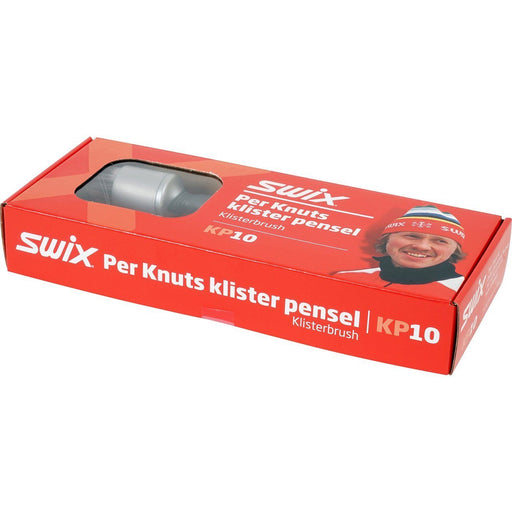
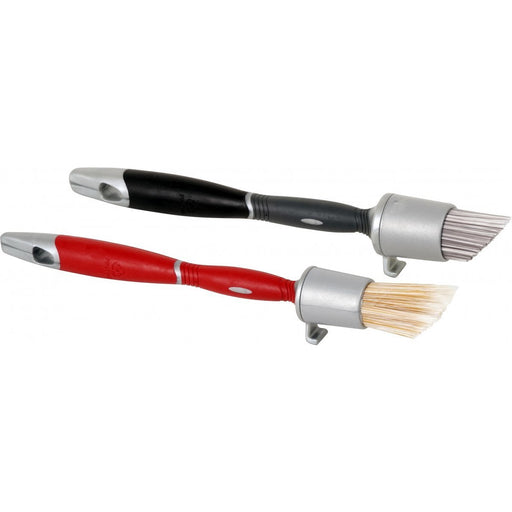
Swix Klister Brushes 2-pack
Smart brush used for applying adhesive under skis Brushes for smoothing out adhesive. Provides a very smooth surface. DETAILS Adhesive brushes Fo...
View full details
Original price
549 kr
-
Original price
549 kr
Original price
549 kr
549 kr
549 kr
-
549 kr
Current price
549 kr
This is how waxing blocks work
Blocks are simple but important tools in ski waxing. They are used to smooth, work in, and polish wax. With the right block, you get a smooth surface and a wax that adheres better to the base.
Different types of blocks
- Synthetic block – primarily used to smooth and distribute grip wax in several thin layers.
- Natural cork – used to work glide wax into the base. The friction that arises makes the wax adhere better.
- Felt block – used to polish liquid glide waxes after they have dried.
- Combination blocks – have both cork and felt sides, providing flexibility.
How to use blocks
- Apply the wax in thin layers on the correct zone (grip or glide).
- Use a synthetic block to smooth the grip wax and create thin, even layers.
- Use natural cork to rub in glide wax – the friction makes the wax adhere to the base.
- For liquid glide wax: polish with a felt block for a shiny and durable surface.
Tips for best results
- Always apply several thin layers instead of one thick layer.
- Cork or polish each layer thoroughly for the best durability.
- Have separate blocks for different products to avoid mixing.
FAQ – Common questions about blocks
Which block do I need as a recreational skier?
A synthetic block for grip wax and a natural cork for glide wax suffice.
Can I use the same block for everything?
You can, but you risk mixing residues. It's best to have different blocks for grip and glide wax.
How long does a block last?
Synthetic and natural blocks last for many years, while felt blocks wear out faster and need to be replaced more often.
Is natural cork better than synthetic?
They have different uses – synthetic for grip wax, natural cork for glide wax. Both are needed for the best results.