

DryThe ski should be dry and at room temperature.
Vallaboden - cleaning and base care
Cleaning alpine skis - choose the right method for dirt and wax residue
An alpine ski base should be cleaned as gently as possible. Here you will learn when dry brushing is enough, when glide wax cleaner is needed, and when hot scraping is actually justified.
Vallaboden's main rule
Brush first. Use glide wax cleaner when the dirt remains, and hot scrape only when the base is clearly dirty deep down.
AssessDecide whether brushing is enough or the dirt is deeper.
CleanChoose the gentlest method that solves the actual problem.
WaxA clean base should receive fresh glide wax or a protective layer.
Start with a diagnosis
The right cleaning method depends on what is actually in the base
Start by assessing the base. Then choose the gentlest method that removes the dirt - from dry brushing to glide wax cleaner or hot scraping.
The surface is dry but not sticky
Brush from tip to tail and wipe clean. If the base becomes dark, even and clean, wet cleaning is normally unnecessary.
Action: dry brush and inspect.The base seems grey, greasy or uneven
Dirt, old glide wax and particles from the snow can form a film that dry brushing does not remove.
Action: glide wax cleaner and clean Fiberlene.The cleaning wax comes off dark
A neglected base may hold dirt deeper in the structure. Soft cleaning wax and hot scraping may then be appropriate.
Action: hot scrape carefully, not out of habit.Deep scratches, raised fibres or damaged structure
This is not just a cleaning problem. Aggressive brushing or Fibertex can damage a sound surface and will not solve structural damage.
Action: separate base care or a workshop.Check the steel edges too, but treat them as a separate task
Surface rust and burrs on the steel edge do not automatically mean the base needs deep cleaning. Dry the steel and use the edge guide when maintaining the edge.
Three levels
Do not use the same cleaning routine after every ski day
Brushing and wiping are often enough. Use wet cleaning when dirt remains. Hot scraping is a deeper treatment for visibly dirty or neglected bases.
Dry brushing
The normal everyday method when the base mainly has loose dust and dry wax residue.
- The ski must be dry
- Brush lengthwise
- Wipe with a clean cloth
- Reassess the surface
Glide wax cleaner
For visible dirt, sticky film or old glide wax residue that dry brushing does not remove.
- Glide wax cleaner for ski bases
- Fiberlene or a clean cloth
- Nylon or fine steel brush as specified for the product
- Allow full drying time before fresh wax
Hot scraping
For a visibly dirty or neglected base where soft cleaning wax needs to lift dirt from the structure.
- Soft cleaning or saturation wax
- Clean waxing iron
- Sharp plastic scraper
- Fresh glide wax afterwards
Routine cleaning step by step
From a dirty glide surface to a dry base ready for fresh wax
Always prioritise the instructions on your cleaning product. The process below is a sound basis for using glide wax cleaner on alpine skis.
Is dry brushing enough?
Start with steps 1-3. If the base comes clean, you can go straight to step 7. Use glide wax cleaner in steps 4-6 when dirt remains.
Let the ski dry and reach room temperature
Remove snow, ice and visible moisture. Leave the ski in the open until the base, edges and binding are completely dry.
CheckDo not clean an ice-cold or wet ski. Moisture makes it harder to see what is actually in the base.Keep the brakes clear and secure the ski
Secure the brake arms with strong rubber bands and place the ski in a holder or on a stable, clean surface.
SafetyCheck that the ski cannot move and the brake bands are secure before you start brushing.Brush off loose dirt first
Make a few even passes from tip to tail with a clean fine steel or bronze brush. Wipe away what comes loose.
The pointThere is no need to dissolve dirt that can already be removed dry.Apply glide wax cleaner with Fiberlene
Dampen a clean piece of Fiberlene and spread the cleaner over the entire alpine ski base. Avoid pouring unnecessary amounts directly onto the base.
The right productUse a cleaner designed for glide surfaces, not a strong klister or grip wax remover.Work in the cleaner according to the product instructions
Some products should be worked in with a nylon brush, others with a fine steel brush. Use the recommended brush and controlled pressure.
Keep it cleanA dirty brush just spreads old residue back over the base.Wipe everything off and let the base air-dry
Wipe with clean Fiberlene until the cloth no longer picks up obvious dirt. Then let the ski dry completely before the next step.
TimeDrying times vary between products. The Swix cleaner selected in this guide specifies 5-30 minutes, but always follow the current label.Finish brushing and apply fresh glide wax
Once the base is dry, brush lengthwise and apply the day's glide wax or a protective layer if the skis will be stored.
Finish properlyA deeply cleaned base should not be left dry for a long time.
When wet cleaning is not enough
Hot scraping can lift dirt from the base - but should not be a habit
A soft cleaning or saturation wax is ironed in and scraped off while still warm or lukewarm. Dirt and old wax residue are lifted out of the structure with it.
Controlled hot scraping in six steps
Use clean tools, good ventilation and the temperature stated on the wax packaging.
- Brush and wipe the surface
Remove loose dirt before using the iron and wax.
- Apply a continuous layer of soft wax
Use enough to keep wax between the iron and base throughout, rather than ironing a dry base.
- Iron in with an even movement
Keep the iron moving from tip to tail and follow the wax temperature setting.
- Scrape while the wax is still warm or lukewarm
Work carefully with a sharp plastic scraper so the dirt comes off with the wax.
- Brush and assess what comes off
If the wax is still clearly discoloured, you can repeat the step. When it comes off cleaner, it is time to stop.
- Recondition the base
Finish with clean glide wax for the current conditions or a protective layer if the skis will be stored.
The right cleaner for each surface
Glide wax cleaner, wax remover, Fibertex and fluorine cleaning are different things
An alpine ski has one continuous glide base. Cleaning should therefore use products and tools designed for glide surfaces and the type of dirt actually present.
For dirt and glide wax residue
The normal choice for an alpine ski base. Apply with a clean cloth and work in according to the product instructions.
Use when dry brushing is not enough.For grip wax and klister
Stronger wax removers are mainly intended for hard grip wax, klister and similar materials. They are not the first choice for an alpine glide base.
Do not confuse the different cleaner types.For a clear surface defect
Fibertex can be used when microfibres, oxidation or a specific surface defect justify it. It should not be the first step on a sound base.
Cleaning and abrasive treatment are different tasks.Contaminated tools need a separate plan
If skis or tools have been used with older fluorinated products, a separate process and clean brushes are needed. This is covered in the fluorine cleaning guide.
Ordinary cleaning does not replace a documented fluorine removal process.Avoid household solvents and improvised mixtures
Products not intended for ski bases can dry out the surface, leave residue or affect glue, plastic and paint. Use a documented ski care product and follow the label.
Common mistakes
Six ways to clean more aggressively than the problem requires
The most common mistakes are not doing too little, but starting with the strongest cleaner, dirty tools or abrasive work before assessing the surface.
Cleaning a wet or ice-cold ski
Let the ski dry and reach room temperature so you can see the dirt and the cleaner can work evenly.
Pouring on more solvent than needed
Dampen the cloth and work carefully. Soaking the base does not automatically make it cleaner.
Using grip wax remover over the entire glide surface
Choose glide wax cleaner for the alpine ski base and reserve stronger products for the surface and material they are intended for.
Brushing with a dirty or unsuitable brush
A contaminated brush puts old residue back. Label cleaning brushes and keep them clean.
Using Fibertex before assessing the surface
Abrasive materials can round off a sound structure. Start with brushing and cleaning.
Leaving a deeply cleaned base dry
After cleaning, apply fresh glide wax or a protective layer depending on when the skis will be used.
Products for the process
Clean as gently as possible and finish with a protected base
Choose products according to how dirty the base is. Glide wax cleaner, Fiberlene and clean brushes are often enough for routine care. Save hot scraping for bases needing a deeper clean.
For routine cleaning
Glide wax cleaner, Fiberlene and clean brushes for the method that is enough in most cases.
-
Fine steel brush
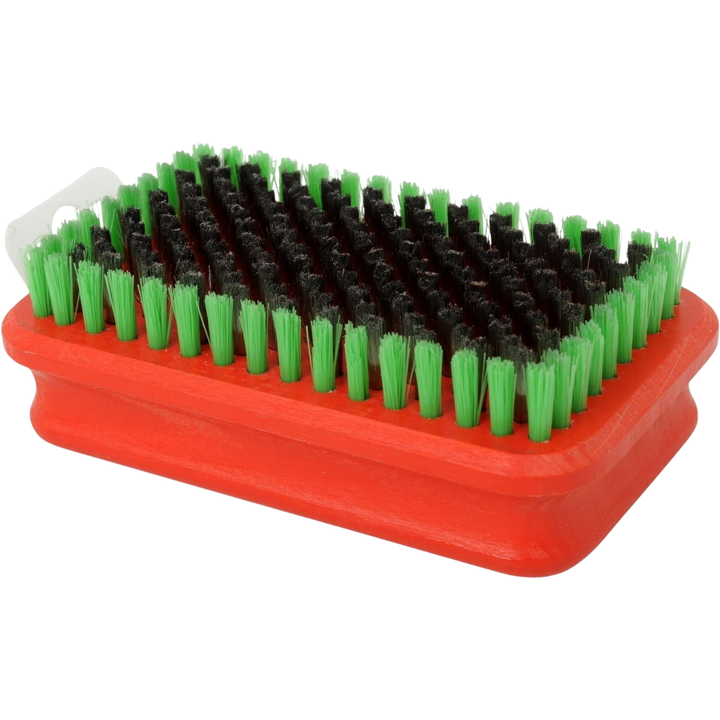 Available to order
Swix
Swix Rectangular Steel Brush Fine
Gently opens the structure and helps work the cleaner into a dirty base.
Use a clean brush and work in the ski's lengthwise direction with controlled pressure.
-
Nylon brush
 Available to order
Swix
Swix Rectangular Nylon Brush
Used with certain glide wax cleaners and for a clean, gentle finish.
Always follow the recommendation of the specific cleaning product regarding brush choice.

For hot scraping
Soft cleaning wax, a waxing iron, sharp scraper and brush when dirt is deeper.
-
Cleaning wax
 Available to order
SkiGo
SkiGo Soft cleaning and saturation wax
Soft cleaning and saturating wax for controlled hot scraping of a clearly dirty base.
Scrape while the wax is still warm or lukewarm, then finish with clean glide wax.
-
Waxing iron
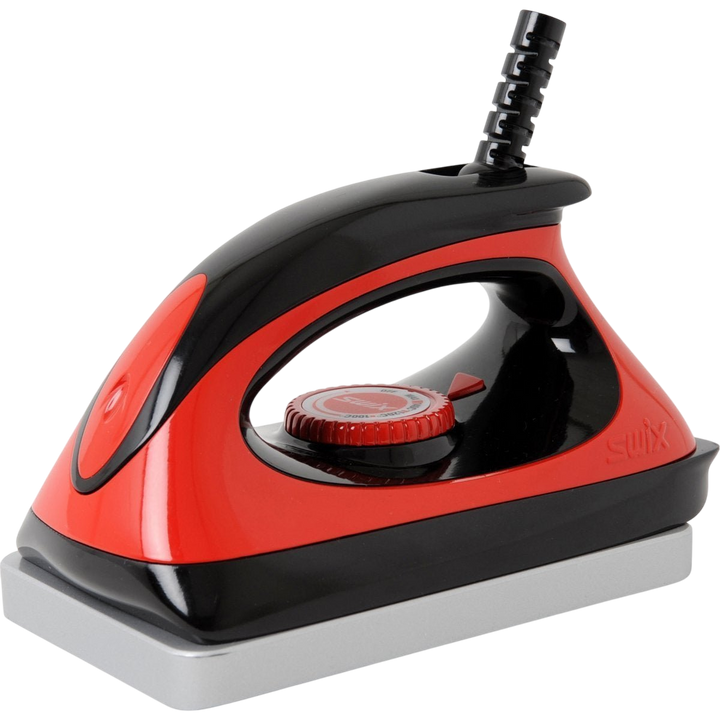 Available to order
Swix
Swix T77 Waxing Iron
Provides controlled and even heating of the cleaning wax across the entire base.
Follow the wax temperature recommendation and keep the iron in constant motion.
-
Sharp scraper
 Available to order
Skidvalla.se
Skidvalla.se Plexi Scraper 4 mm
Scrapes off the warm cleaning wax together with dirt and old wax residue.
Sharpen the scraper often and use controlled pressure instead of force.
-
Bronze brush
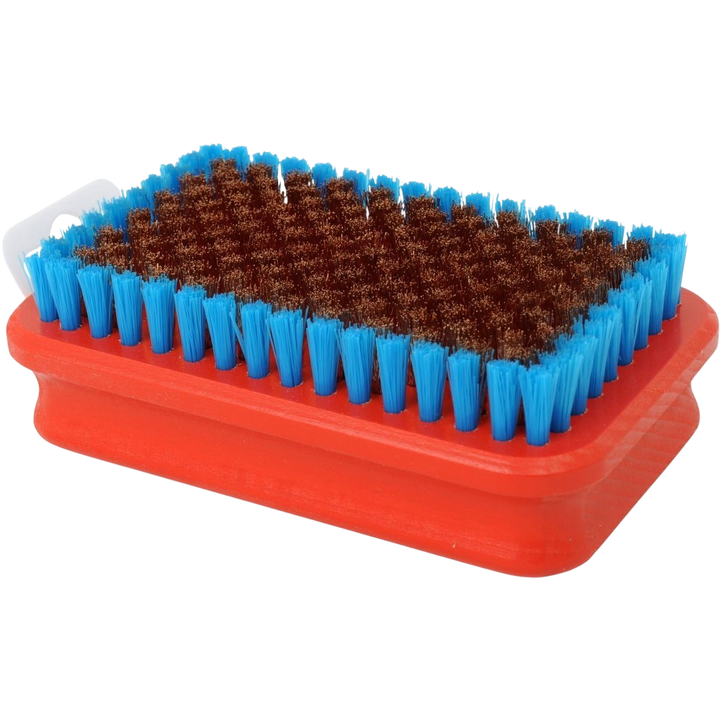 Available to order
Swix
Swix Rectangular Medium Bronze Brush
Brushes out the structure after scraping and shows whether further cleaning is needed.
Keep the brush clean and use it from tip to tail.


After cleaning
Glide wax or storage protection to condition and protect the clean base.
-
Solid glide wax
 Available to order
Swix
Swix Universal glide wax
A simple universal wax that builds up and protects the base after cleaning.
Let the wax cool completely, scrape, and brush before the ski is used.
-
Without waxing iron
 Available to order
Swix
Swix F4 liquid glide wax
Quick liquid glide wax for a clean base when you want to make the ski ready to ski without hot waxing.
Apply a thin layer, let it dry, and polish according to the product instructions.
-
Storage
 Available to order
Swix
Swix BPL liquid protective paraffin
Liquid protection when the cleaned ski is to be put away instead of used right away.
Let the protective layer dry and leave it on until the ski is made ready to ski again.


Continue in Vallaboden
Related alpine ski guides
Cleaning is a preparation step. Then move on to glide waxing, base preparation, storage or separate work on the base and tools.
Next step
Glide wax alpine skis
Choose between liquid glide wax and hot waxing once the base is clean and dry.
Read the guide New skisBase prep new alpine skis
Prepare a new or freshly ground base with the right cleaning, saturation and foundation.
Read the guide StorageStoring alpine skis for summer
Clean the skis, protect the bases and make sure the steel edges are dry before the off-season.
Read the guide Simple methodWax the family's alpine skis
A practical process for better glide without making home waxing unnecessarily complicated.
Read the guide Base damageBurnt bases and ice burn
Understand why the surface turns white near the steel edge and when cleaning alone is no longer the answer.
Read the guide Separate processRemove fluorine from skis and tools
A process for older fluorine residue, clean brushes, waxing irons and the workspace.
Read the guideFrequently asked questions
Questions about cleaning alpine skis
Answers about cleaning methods, cleaner choice, drying time and when hot scraping is needed.
Brush and wipe off when the base looks dirty or the glide feels worse. Wet clean when the dirt film remains after brushing. Hot scraping is needed much less often and only when the base is clearly dirty deep down.
No. Start with dry brushing and glide wax cleaner. Hot scraping is a more in-depth step for a neglected or clearly dirty base where the soft wax continues to come up discolored.
Glide wax cleaner is developed for the ski's glide base and is intended to clean without unnecessarily harsh impact. Wax remover or Base Cleaner is used primarily for kick wax, klister, and other hard-to-dissolve grip waxes. On an alpine ski base, glide wax cleaner is normally the first choice.
That is not recommended. Products not intended for ski bases can dry out the surface, leave residues, or affect plastic, lacquer, and glue. Use a proven ski-care product and follow the label.
Follow the product instructions. Drying time varies between products. The Swix cleaner preselected in the guide specifies 5-30 minutes. The surface must feel completely dry before the final brushing and before applying new glide wax.
No. Fibertex is an abrasive or polishing tool for pronounced microfibers, oxidation, or specific surface defects. On a base in good condition, start with brushing and cleaning so the structure is not worked unnecessarily.
When the base is completely dry, finish brushing and apply glide wax for the current conditions. If the skis are to be stored, use a suitable storage layer instead and follow the summer storage guide.
Not always. Older fluorinated products may have contaminated the base, brushes, scrapers, waxing iron, and work area. Follow a separate fluorinated wax decontamination process with clean tools and a documented workflow.
Deep scratches down to the core, a loose steel edge, a severely uneven base, or damaged structure are not normal cleaning issues. Take the ski to a workshop when the damage requires base repair, flattening, stone grinding, or a safety assessment.
Clean with care
Clean as little as possible - but as much as necessary
A clean base is the foundation for even waxing and good glide. Start with brushing, move on to mild wet cleaning when needed, and save hot scraping for bases that truly require it.
Once the surface is dry and clean, continue directly with glide wax or a storage layer.