

DryThe whole ski, binding and steel edges must be dry.
Vallaboden - end-of-season care for alpine skis
Summer storage for alpine skis - how to protect bases and steel edges
When the last ski day is done, clean the base as needed, dry the steel edges, and apply a protective wax layer over the entire base. Here you get a clear workflow with both traditional storage wax and an alternative without a waxing iron.
Vallaboden's main rule
Put your skis away dry and clean, leave a protective wax layer on the entire base, and make sure the steel edges are free from moisture and active rust.
CleanBrush first and wet-clean only when needed.
ProtectLeave solid protective wax or BPL over the whole base.
StoreDry, dark and without pressing the skis tightly together.
After the final run
Four things to finish before your skis take a break
The basic principle is simple: clean the base and leave a protective wax layer on. Here we also cover steel edges, bindings and storage conditions.
Remove moisture and spring snow first
Let the skis dry in the open at room temperature. Dry the topsheets, bases, steel edges and bindings before cleaning or waxing.
Do not enclose damp skis in a ski bag or roof box.Clean as needed - not out of habit
Brush first. Use glide wax cleaner when dirt remains and hot scrape only when the base is clearly dirty deeper down.
A sound base should not be exposed to more solvent than necessary.Deal with rust and burrs before storage
Dry the steel, inspect the edges in good light and polish off surface rust or small burrs with a diamond stone. Deep rust or damage calls for a more substantial decision.
Do not change the edge angle just because the skis are going into storage.Note what needs repairing
Check scratches, looseness, brakes and visible damage. Repair now or clearly note what must be done before next winter.
What you notice in April is easy to forget when the snow returns.Inspect before treating
Six decisions determine how much work is needed
Support the ski securely in good light and choose the gentlest method that leaves it clean, dry and well protected.
Is the ski completely dry?
Moisture under the wax or around the binding must dry before the ski is treated, strapped together or stored.
Is the base just dusty?
Brushing and wiping may be enough. Wet cleaning is needed only when dirt and old residue remain.
Is there surface rust or are there burrs?
Polish lightly with a suitable diamond stone. Leave deep damage and heavy rust for a more thorough edge service.
Are there scratches or dry patches?
Small marks can be documented. Deep damage, loose fragments or destroyed structure should be repaired before applying the protective layer.
Does the ski need hot scraping?
Do it when the cleaning wax keeps coming off discoloured. Skip the step when the base is already clean.
Are the topsheet and binding clean?
Wipe off salt, dirt and wax residue. Check for visible damage without changing binding settings at random.
Summer storage step by step
From the last ski day to summer protection in nine steps
Work calmly and keep cleaning cloths, brushes and edge tools clean. Skip deep cleaning when the ski is already in good condition.
Let the skis dry at room temperature
Wipe away snow, water and visible dirt after the final outing. Leave the skis in the open until the bases, steel edges, brakes and bindings are completely dry.
Do not start cleaning a cold ski while condensation is still forming.Clean the topsheet, sides and bindings
Wipe dirt and wax residue from the topsheets. Check brakes, screws and visible damage without making your own changes to the binding's safety settings.
Note anything that needs checking by a workshop or before the first run.Keep the ski brakes clear while working
Use strong rubber bands or brake retainers to access the whole base. Check they are secure before brushing, scraping or waxing.
Remove the bands when the work is done. The brakes should not remain held up all summer.Brush and assess the base
Brush from tip to tail and wipe off loose dust. Inspect the structure, dry patches, scratches and previous repairs before choosing the cleaning level.
Good light makes it easier to distinguish dirt from actual base damage.Clean the base at the right level
Use glide wax cleaner when the base is dirty. For deeper dirt, iron in a soft cleaning wax and scrape it off while still warm. Repeat only until the wax comes off clean.
Base Cleaner intended for hard grip wax and klister should not be used as a general cleaner on alpine ski bases.Check and polish the steel edges
Dry the steel and remove surface rust or small burrs with a dampened diamond stone. Follow the existing angle with light, even pressure.
Heavy rust, major impacts and altered geometry require a full edge service.Assess scratches and other damage
Remove loose fragments and decide whether damage can be left, repaired at home or taken to a workshop. Major repairs or stone grinding are best done before the protective layer.
Record the decision so a postponed problem does not become a surprise in November.Protect the entire base
Choose solid glide wax applied with an iron, or a product expressly intended as liquid storage protection. Cover the entire base evenly from tip to tail and follow the product instructions.
A thick, uneven layer creates more work, but not automatically better protection.Leave the protective layer on and store the skis
Leave solid protective wax unscraped and unbrushed. Let BPL dry and leave it on too. Remove the brake bands, label the skis and store them in a dry, dark place protected from dust, intense heat and moisture.
When winter arrives, scrape and brush off the protection before applying the day's wax.
Two good protection methods
Hot-applied protective wax or BPL without an iron
Both methods leave a protective layer over the base. Choose the one you can apply cleanly, evenly and according to the product instructions.
Solid glide wax left unscraped
Iron an even layer of solid glide wax over the whole base. Keep the iron moving and follow the recommended wax temperature. Once the entire surface is covered, let the ski cool and store it without scraping or brushing.
- Provides robust protection against dust and drying out.
- PS6 or a suitable base prep wax can be used according to the product's guidance.
- Scrape and brush only when you take the skis out next season.
Base Protection Liquid left to dry on the base
BPL is designed for storage and transport. Apply a thin, even layer over the whole base, let it dry and leave the protection on until the ski is used again.
- Convenient when you do not have an iron or a full waxing setup.
- Apply at room temperature and follow the stated drying time.
- Remove the layer with a scraper and brushes as directed for the product.
Skip hot scraping
If the surface is clean after brushing or mild glide wax cleaning, go straight to the protective layer.
Hot scrape with soft preparation wax
Iron in and scrape while the wax is warm. Repeat only until the removed wax no longer carries visible dirt.
Clean, assess and repair first
A protective layer does not fix deep scratches or damaged structure. Have necessary workshop work done before the summer break.
The alpine-specific step
The steel edges should be dry, smooth and free of active rust
Summer storage is a good opportunity to spot problems, but not a reason to change angles or remove more steel than the ski needs.
Work carefully
Preserve the existing angle
For light surface rust and small burrs, a lubricated diamond stone and a few controlled passes in a file guide are often enough. Dry the steel thoroughly afterwards.
Important: do not make aggressive filing a routine pre-summer task. Deep rust, major impacts or an unknown angle should be assessed as a separate edge job.
Dry and inspect the whole edge
Check especially under the binding and near the ski's widest points, where moisture and burrs are easily missed.
Remove light surface rust
Use a suitable diamond stone with light pressure and follow the existing angle. Wipe clean afterwards.
Polish off small burrs
A smooth edge is easier to protect and less likely to develop new rust than one with damaged, raised areas.
Have major damage properly serviced
If the edge is cracked, heavily corroded or clearly deformed, do not hide it under a storage layer.
The right place between seasons
Dry, dark and without unnecessary strain
Good waxing will not help if the skis then spend the summer damp, hot or pressed tightly together.
Choose a dry, stable environment
Store the skis away from moisture, large temperature changes and direct sunlight. A dry storage room is better than a damp cellar or hot roof box.
Let the skis rest without force
The skis can stand or lie down as long as they are not bent or pressed against hard points. Use soft ski straps and do not bind the pair tightly together.
Release the brakes and remove retaining bands
Remove rubber bands and brake retainers after waxing. Do not change the binding's DIN setting without the necessary knowledge and manufacturer's instructions.
Checklist before storing the skis
- Bases, topsheets, bindings and steel edges are completely dry.
- The base has been brushed and cleaned as much as its condition requires.
- Surface rust and small burrs have been removed or documented.
- There is a clear decision on scratches, looseness and other damage.
- The whole base is covered with solid protective wax or dried BPL.
- Brake retainers have been removed and the skis labelled for next winter.
- The storage place is dry, dark and protected from intense heat.
- The skis stand or lie without being tightly compressed or bent.
Products for the process
Clean, check and protect with the right tools
Here you will find products for cleaning, edge care and storage protection. Choose only the products actually needed for your chosen method.
Clean and inspect
View all cleaning products-
Wiping
 Available to order
Swix
Swix Fiberlene
Lint-free cloth for cleaning, drying, and checking what is actually coming off the base.
Switch to a clean section often so that dissolved dirt is not spread back over the ski.
-
Brush
 Available to order
Swix
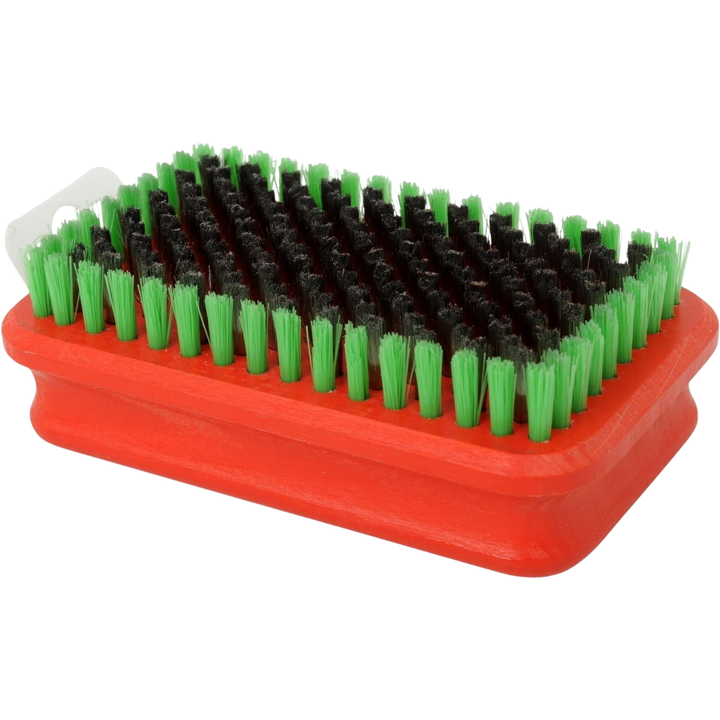
Swix Rectangular Steel Brush Fine
Opens the structure, lifts dirt, and is used for inspection before cleaning or storage waxing.
Work from tip to tail with even strokes and keep the brush clean.

Steel edges and deburring
Shop edge tools-
Diamond stone
 Available to order
Swix
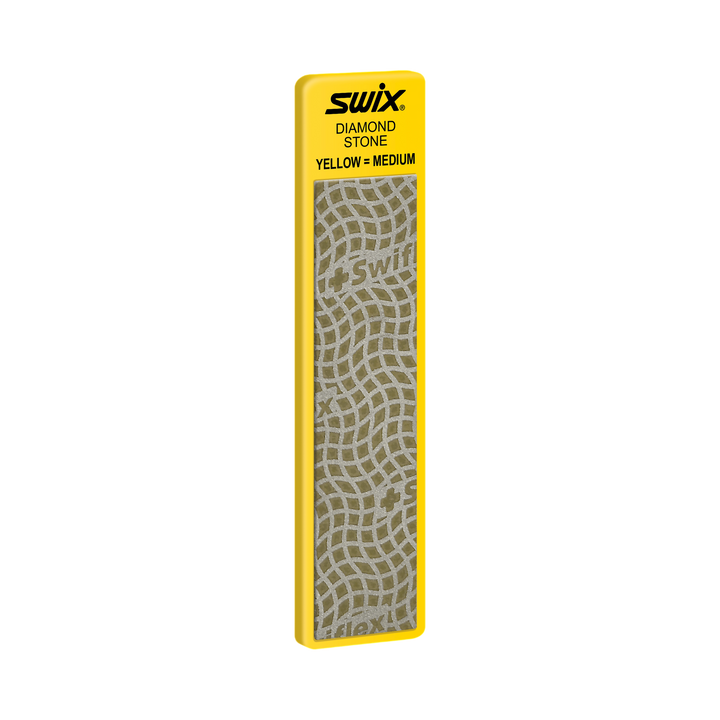
Swix Diamond File Plastic Base
For light surface rust, burrs, and polishing steel edges without starting with aggressive filing.
Use the stone with a suitable liquid, light pressure, and the existing edge angle.
-
File guide
 Available to order
Swix
Swix Side Edge File Guide
Holds the diamond stone at a specific side edge angle when polishing away surface rust or minor burrs.
Choose the same angle the ski is already tuned to. If the angle is unknown, a workshop is safer than guessing.

Protect the base through summer
View protective and base waxes-
Without waxing iron
 Available to order
Swix
Swix BPL liquid protective paraffin
Liquid protection for storage and transport that is left to dry and remain on the base.
Apply at room temperature and remove next season according to the product instructions.
-
Waxing iron
 Available to order
Swix
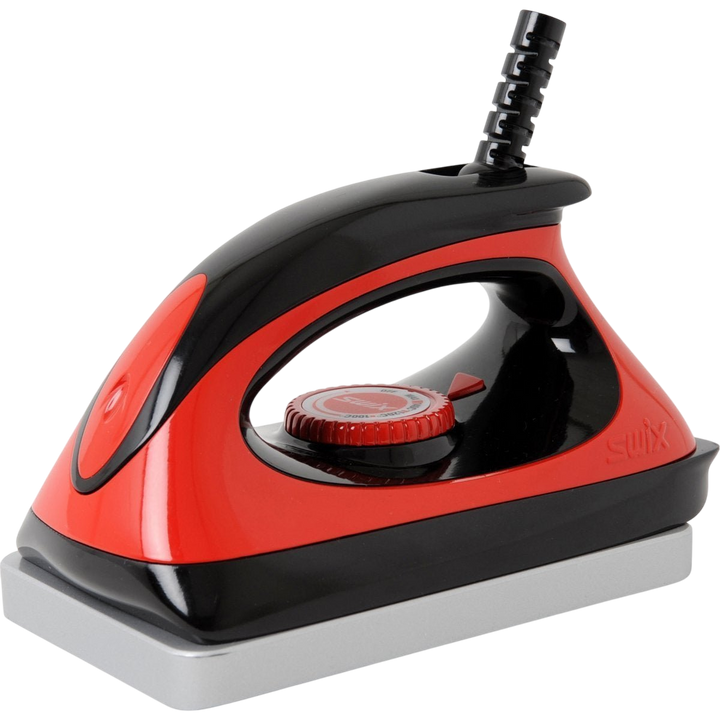
Swix T77 Waxing Iron
For evenly ironing solid storage wax over the entire base.
Use a clean iron and set the temperature according to the wax instructions, not out of habit.
-
Next season
 Available to order
Skidvalla.se
Skidvalla.se Plexi Scraper 4 mm
Used to scrape off solid storage wax before the first waxing of winter.
Sharpen the scraper before starting and scrape from tip to tail.
-
Finish
 Available to order
Swix
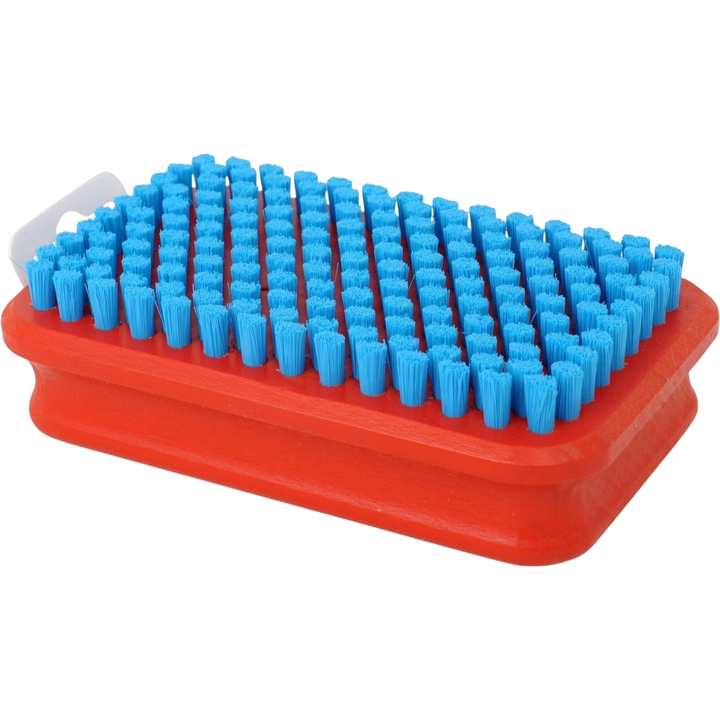
Swix Rectangular Fine Nylon Brush Blue
Completes the brushing when the storage layer is removed and the base is to be made ready to ski.
Leave the protective layer unbrushed over the summer. The nylon brush is only needed when the ski is taken out again.


Continue in Vallaboden
Related alpine ski guides
When you take the skis out again, remove the protective layer and check the bases and steel edges before the first ski trip.
Cleaning
Cleaning alpine skis
Choose between brushing, glide wax cleaner and hot scraping before applying a new wax layer.
Read the guide Glide waxGlide wax alpine skis
Get the skis ready with liquid glide wax or a durable hot-waxed base.
Read the guide Steel edgesSharpening steel edges
Learn to choose an angle, file guide and diamond stone, and work without changing more than necessary.
Read the guide Base preparationBase prep alpine skis
Build a clean, even and durable glide layer on new or freshly ground bases.
Read the guide Before winterPrepare ski bases for winter
Remove storage protection, assess the bases and get the skis ready for the season.
Read the guide Alpine departmentAll alpine ski guides
Find more guides on glide, steel edges, ski care and tools for the alpine wax room.
Go to the sectionFrequently asked questions
Questions about summer storage of alpine skis
Answers about protective wax, steel edges, bindings and storage between seasons.
No. Brush and inspect first. Hot scraping is appropriate when the base is clearly dirty deeper down or the cleaning wax keeps coming off discoloured. An already clean base can go straight from light cleaning to the protective layer.
Use a clean, solid glide wax or base prep that is suitable for the base's needs and your waxing iron. A liquid storage protection such as Base Protection Liquid is an alternative when you want to work without an iron. Always follow the instructions for the specific product.
No. Solid protective wax stays unscraped and unbrushed over the summer. Liquid storage protection is allowed to dry and also left on. Remove the layer only when preparing the skis for use again.
Dry the entire edge thoroughly, polish off light surface rust, and store the pair of skis in a dry environment with small temperature fluctuations. A wax layer protects the base, but does not replace dry edges and a dry storage location.
It is fine to remove surface rust and minor burrs before storage. A full edge tune can be done now or when the next season approaches. The important thing is that major damage is documented and that you do not change the angle or file away steel without reason.
Do not change the binding's release setting at random. Follow the binding manufacturer's instructions or have a workshop check the binding. Do, however, remove brake retainers and rubber bands when the waxing is finished.
That is unsuitable. A roof box can become very hot, and a damp space increases the risk of rust and condensation. Choose a dry, dark place with as stable a temperature as possible.
Yes, with soft ski straps that keep the pair organized without hard compression. Avoid bending the skis or letting narrow straps create pressure points. Brake retainers used during waxing should be removed.
Scrape and brush off the storage protection according to the method used, check the steel edges and visible parts of the binding, and then apply a glide wax for the current conditions. If you have noted damage or service needs, take care of them before the first ski trip.
A better start next winter
Half an hour in spring saves a whole evening when the snow arrives
The most important thing is not to do the most steps, but to put away a dry and documented ski with the base and steel edges properly protected.
When next winter comes, you should be able to scrape and brush off the protective layer, check the edges, and move on with the day’s wax without first having to deal with last spring’s dirt or rust.