Vallaboden - heat and control

Choosing a waxing iron - from your first iron to the race model

The best waxing iron is not always the most expensive. The right choice depends on which waxes you use, how often you wax, and whether you work on a narrow cross-country ski or a wide alpine base. Here we explain what the plate, temperature control and wattage actually do.

Cross-country, alpine and snowboardAbout 12 minutes readingUpdated August 2026

Choose based on the highest temperature your waxes require and how stably the iron holds it - not by the model name.

Four levels of ambition

Choose an iron for your waxes and workload

A more expensive iron can offer steadier temperatures and better handling, but you only benefit when your waxes or workload demand it. A good standard iron is enough for many recreational skiers.

01

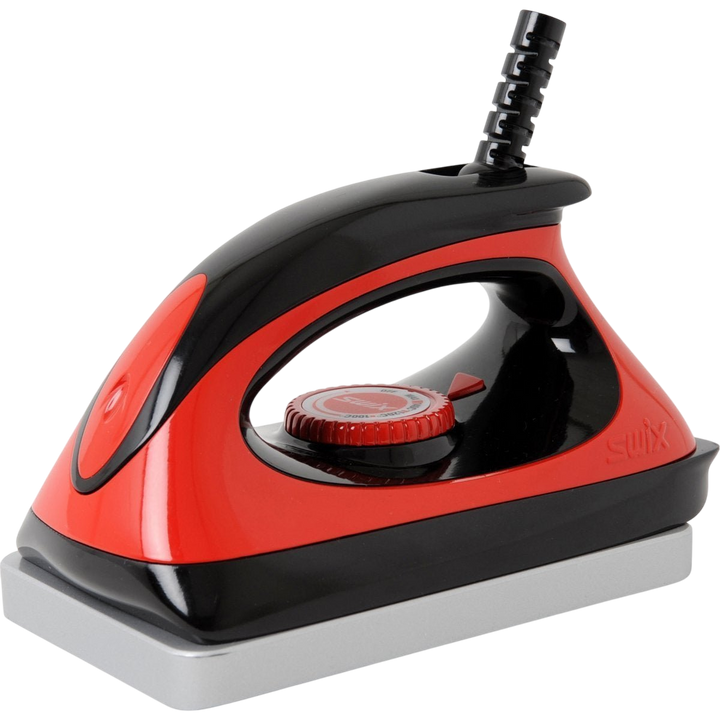
Your first waxing iron

For occasional hot waxing, mainly with soft or medium-solid glide waxes, when you want a simple iron without unnecessary features.

  • A clear analogue temperature scale or dial.
  • A smooth soleplate without steam holes and with sufficient working width.
  • A temperature range covering the waxes you actually use.
03

Racing and multiple pairs

For faster, more repeatable work when switching between hard waxes and preparing several pairs in one session.

  • Reliable digital control and good heat recovery.
  • A soleplate shape and weight suited to your technique.
  • Ergonomics suited to longer waxing sessions.
04

Professional use or wide bases

For servicing, alpine skis, snowboards and advanced cross-country preparation where a thick soleplate, high heat capacity and specialised shape justify the price.

  • An extra-thick or wide soleplate for stable performance.
  • A textured, angled or discipline-specific soleplate.
  • A temperature range for hard and specialised products.

What the price difference buys

Six features that matter more than the model name

The displayed temperature is only part of the picture. Control, soleplate thermal mass, power and shape work together. A good iron should produce an even wax film without constant temperature adjustments.

Temperature control

The thermostat or microprocessor controls when heating switches on and off. A digital display makes settings easier to repeat, but actual stability also depends on the soleplate.

In practice: less guesswork when switching waxes.

Soleplate thermal mass

A heavier, thicker soleplate stores more heat and is less affected by a cold ski or hard wax. It can also make the iron heavier to use.

In practice: a steadier temperature through a long pass and several pairs.

Power and heat recovery

Wattage indicates how much heat the element can deliver, but does not determine precision on its own. High power helps the iron recover its set temperature as heat is used.

In practice: less waiting when working on several skis or cold equipment.

Soleplate shape

Angled edges, rounded corners and a textured surface can help the iron glide without pushing wax ahead of it. Shape affects handling more than many people realise.

In practice: easier to maintain a steady speed and continuous wax film.

Working width and discipline

Wide alpine skis and snowboards benefit from a wide soleplate. On cross-country skis, a narrower working width can improve visibility and control over the glide zones.

In practice: the right soleplate covers the surface without making the iron cumbersome.

Ergonomics and safety

Handle, weight, visibility around the soleplate, cable and a safe resting place matter more during longer sessions. A stable iron must also stand or rest securely.

In practice: less fatigue and fewer rushed movements in the waxing room.

Analogue or digital?

Both can produce well-prepared skis - but suit different ways of working

Digital control makes selecting and repeating a temperature easier. An analogue iron can still be excellent if you use a limited wax range and learn the dial settings.

Simple and affordable

Analogue waxing iron

A dial or temperature scale controls the thermostat. The iron is simple and robust, but you need to learn how it behaves with your usual waxes.

  • Lower purchase price and few features.
  • Fully adequate for much routine home waxing.
  • You need to watch the wax and remember the correct dial setting.
Choose analogue for occasional waxing, a lower price and mainly standard block waxes.
Easy to repeat

Digital waxing iron

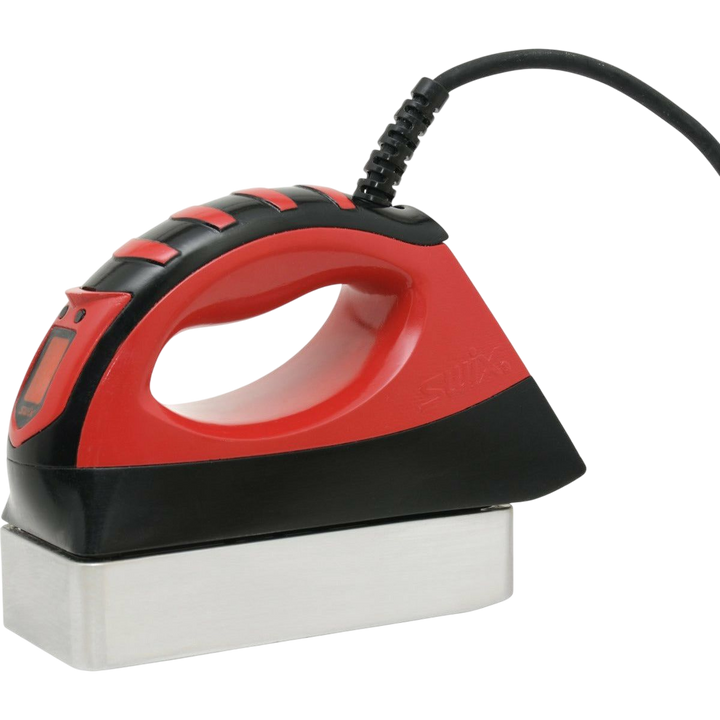
A display and electronics make temperature selection clearer. This is particularly useful when changing waxes, working near a product's maximum temperature or waxing many pairs.

  • Easy to return to the same temperature.
  • Convenient when waxes need distinctly different settings.
  • The display does not replace the correct amount of wax or keeping the iron moving.
Choose digital for a repeatable routine, regular waxing or harder products requiring higher temperatures.

Digital does not automatically mean steadier

The display shows and controls temperature, but soleplate mass, sensor position and construction determine real-world stability. Compare the whole iron, not just whether it has numbers on top.

Choose for the task

What will the iron actually do?

Start with the most demanding wax and widest ski you plan to use. Then consider how often and how many pairs you wax. This makes the choice much easier.

Use

Liquid glide wax only

No waxing iron needed

Apply and polish liquid products as instructed. Buy an iron when you want to use solid glide wax or iron in a grip binder.

Use

Universal and softer block waxes

A good analogue iron is often enough

Check that the temperature range covers your products and learn how the wax should melt without smoking.

Use

Solid glide waxes for cold conditions

Stable temperature and a suitable maximum

Hard waxes often need more heat. Always follow the label and choose an iron that reaches the temperature without constantly operating at its limit.

Use

Many pairs of skis

Good heat recovery and ergonomics

Soleplate thermal mass, power, handle and visibility matter more during long sessions.

Use

Binder wax in the kick zone

A simpler separate iron can make sense

If you often iron in grip binder, you can label an older or simpler iron GRIP and keep your glide-wax iron completely clean.

Use

Alpine and snowboard

A wide, stable soleplate

A wide soleplate, preferably textured or angled, makes large bases easier to cover and reduces suction.

Use

Race-level cross-country skiing

Control, visibility and repeatability

A narrower working width, clear digital control and a stable soleplate can matter more than maximum iron size.

Use

Travel and occasional waxing

Manageable weight and safe storage

Choose an iron that packs easily and add a bag or holder. Always check that its voltage suits the country where it will be used.

One iron or two?

One is enough for most people - but keep glide and grip wax separate

A separate grip-wax iron mainly improves workflow and cleanliness. It is not essential when starting out, but is useful for frequent waxing or many classic skis.

For most home waxers

One good iron goes a long way

Wipe the soleplate while still warm and check for grip binder or klister residue before using the iron on glide zones.

  • Lower cost and less equipment to store.
  • Works well when you rarely apply grip wax with heat.
  • Requires thorough cleaning between tasks.
One ironThorough cleaning

For frequent classic-ski waxing

Two irons simplify the workflow

Use the better iron for glide wax and a simpler one for grip binders and other grip-wax tasks requiring heat. This reduces the risk of sticky deposits or solvent residue reaching the glide zones.

  • Less time is spent cleaning the soleplate completely.
  • Easier to keep different temperature settings separate.
  • Label the irons clearly and store each in its own place.
GLIDEGRIP

The right temperature in practice

Seven habits that protect the base and produce a more even wax layer

The iron should melt wax into a continuous film, not heat the base as much as possible. Always follow the temperature on the packaging and use the wax's behaviour to check the setting.

  1. Read the label

    Use the temperature specified for that wax, not the colour of another range.

  2. Let the iron stabilise

    Wait until the iron has reached and maintained its set temperature before the first pass.

  3. Use enough wax

    There should be a protective wax film between the soleplate and ski base across the entire working surface.

  4. Work from tip to tail

    Move the iron smoothly and continuously along the ski.

  5. Never stop moving

    Stationary heat concentrates on a small area and increases the risk of damage.

  6. Watch and smell

    The wax should melt easily. Smoke or an acrid smell means the iron is too hot.

  7. Wipe the soleplate while warm

    Remove wax residue before it cools and builds up around the soleplate edges.

Three signs that temperature and technique work together

Wax melts without smoke, the iron moves without catching and leaves an even wet film. Repeated slow passes often mean the iron is too cold, there is too little wax or your pace is uneven.

No smokeEven wax filmKeep the iron moving

Read the signs

When the iron or technique is not right

Problems during ironing do not necessarily mean the iron is poor. First check temperature, wax quantity, pace and soleplate cleanliness.

Wax clumps and the iron catches

The iron may be too cold, moving too fast or have too little melted wax ahead of it.

Action: check the label, let the iron stabilise and create an even wax film.

Wax smokes or smells acrid

The temperature is too high for the product or the iron has remained still too long.

Action: lift the iron, lower the temperature, ventilate and resume only when conditions are under control.

Dry patches behind the soleplate

The wax layer may be uneven or the soleplate may be contacting the base directly in places.

Action: add wax and work over the entire glide zone at a steady pace.

Temperature swings between cold and hot

A basic iron may need more time to stabilise, especially after contact with a cold ski.

Action: work at a calm rhythm, let the iron recover and consider a more stable model if the problem recurs frequently.

Care and safety

A waxing iron needs a safe resting place between passes

A clean iron gives more consistent results and reduces contamination. A holder, good ventilation and a simple switch-off routine make the waxing room much safer.

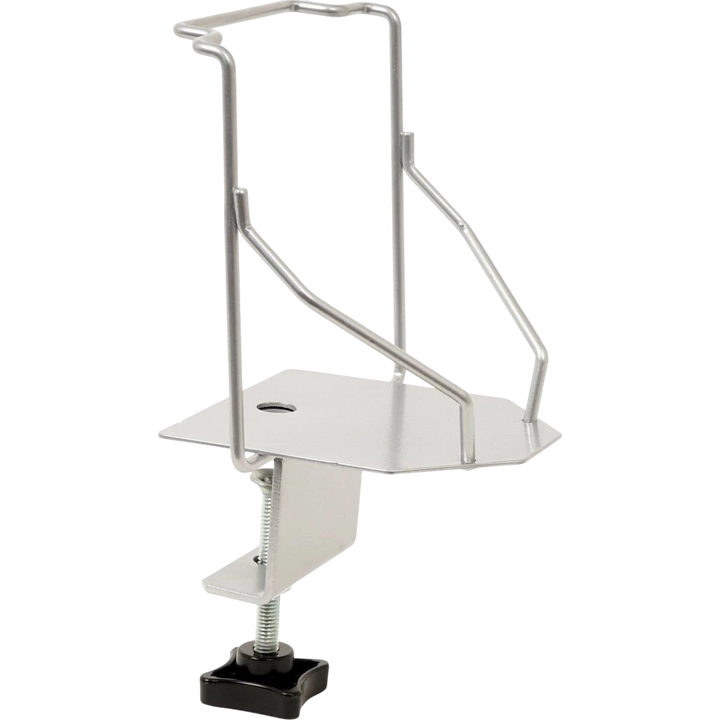
Use an iron holder

Place the iron in a stable holder rather than on the bench, cable or wax shavings.

Create a switch-off routine

Consider a timer or clearly illuminated switch, and always check the iron before leaving the waxing room.

Ventilate

Work in a well-ventilated space and avoid standing directly over smoke or fumes from overheated wax.

Wipe while the soleplate is warm

Use clean Fiberlene or a soft cloth. Routine cleaning should not require a metal scraper or coarse abrasive.

Let the iron cool correctly

Stand or rest it as the manufacturer instructs, and do not put it in a bag until completely cold.

Protect the cable

Never lift the iron by its cable. Store the cable in gentle curves without sharp kinks or strain at the connection.

Current models

From a first iron to professional level

Compare models for different needs: a first iron, regular home waxing and more demanding work. Consider temperature range, soleplate and handling alongside price.

Frequently asked questions

What customers most often ask before choosing an iron

No iron is best for everyone. The right model meets your waxes' temperature requirements, suits your ski width and makes your routine easy to repeat.

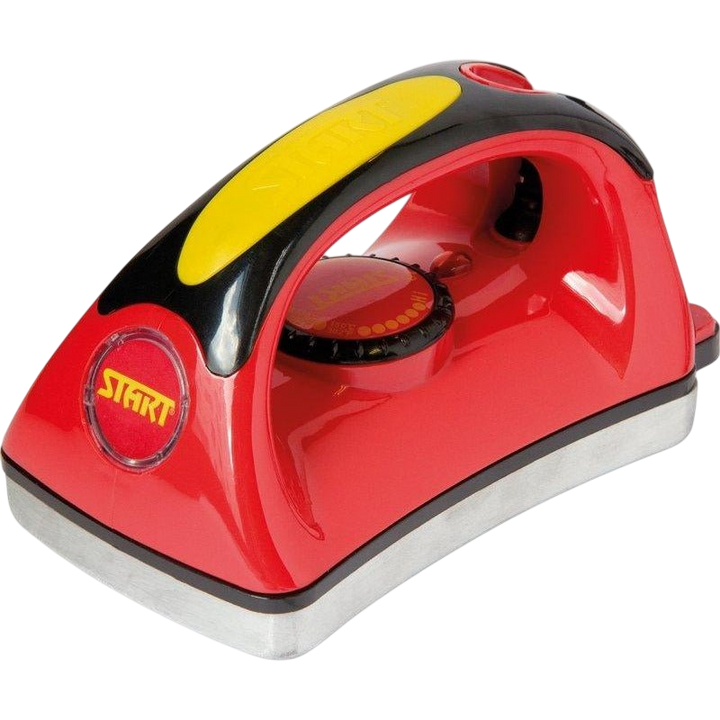
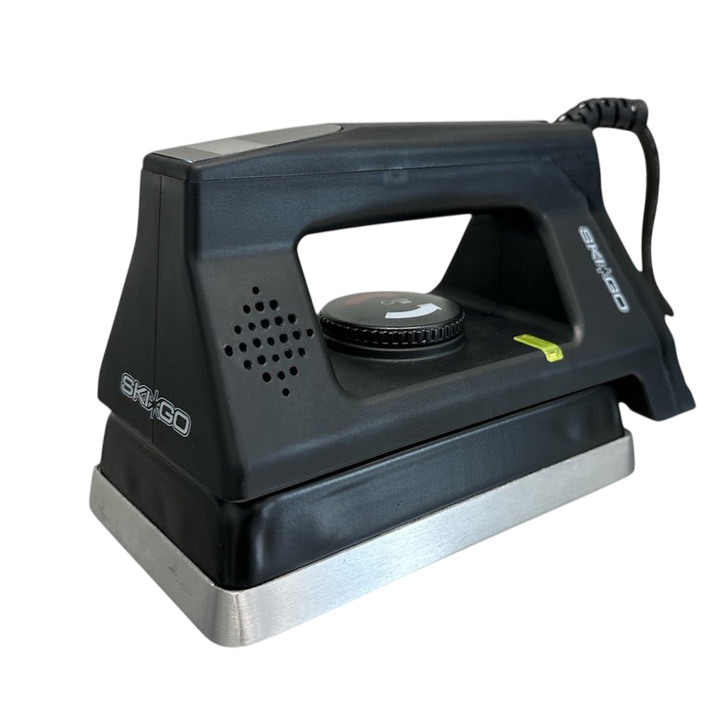
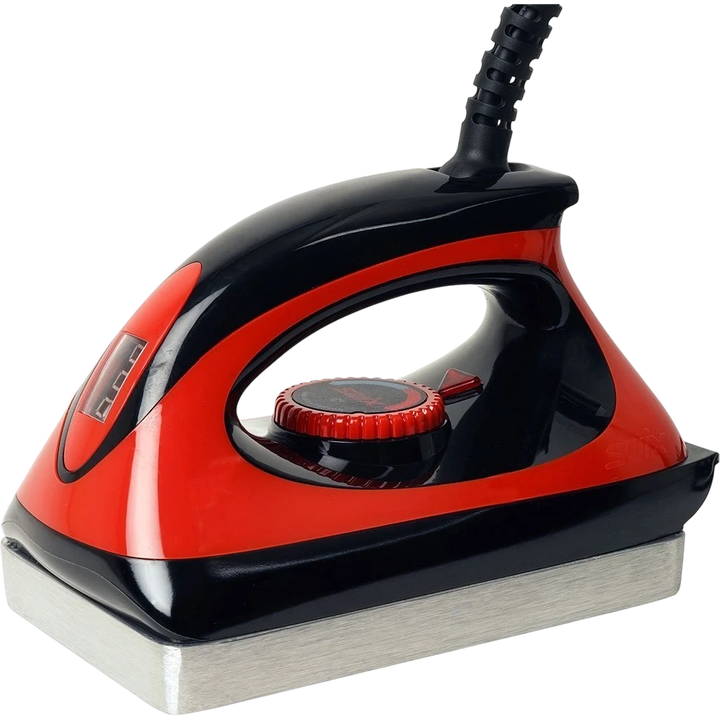
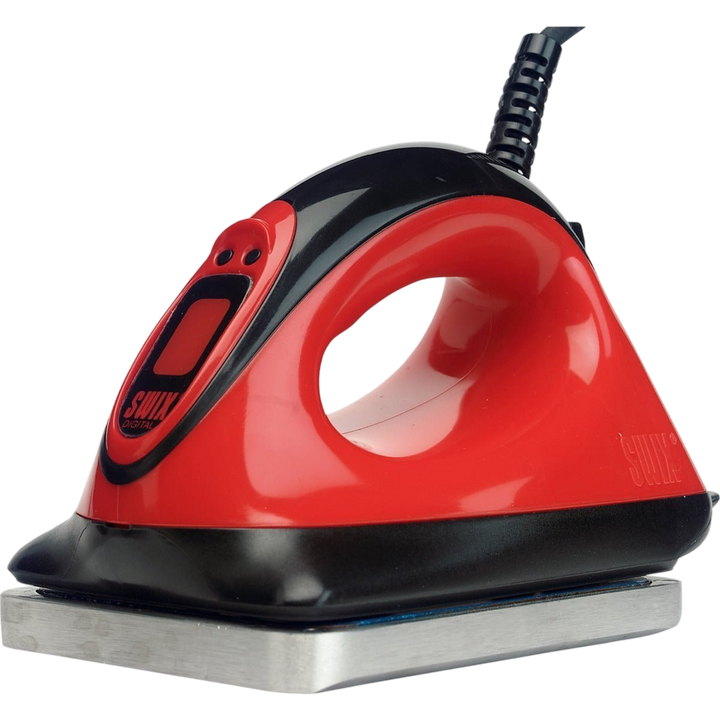
A good standard analog iron such as the Swix T77 or Start goes a long way if you hot wax occasionally and mainly use regular block waxes. If you want clear temperature readout and a wider temperature range from the start, a digital all-round iron such as the SkiGo Digital or Swix T73D is a convenient step up.

Get to know your tool

A good waxing iron makes the right temperature easy to repeat

Buy the lowest tier that covers your waxes' temperature requirements and your workload. A simple iron you know well gives better results than an advanced model used too hot or left standing still on the base.

When you start waxing more pairs of skis or working with harder products, you will notice for yourself whether temperature stability, working width, weight or digital control is the next real upgrade.