Vallaboden - brushes and finishing

Ski brushes - choose the right hand brush and roto brush

Brushing is not just the final finish. It cleans the base, opens up the structure after scraping, and determines how much of the waxing work actually performs. Here you will learn how to choose the right brush, the right order, and the right level of ambition.

Cross-country, alpine, and snowboardAbout 13 minutes readingUpdated August 2026
Vallaboden's main ruleThe scraper removes the wax on top of the base. The brush opens the structure and completes the waxing job.

Start simple

Choose brushes for the waxing you actually do

You do not need a full brush rack from day one. Your choice mainly depends on whether you use liquid wax, solid glide wax or prepare many pairs.

01

Simple liquid waxing

For recreational skiers who want to clean the base, apply liquid glide wax and polish without an iron.

  • A fine nylon brush for final polishing.
  • A combination brush or fine metal brush for cleaning when needed.
  • Always follow the drying time and brushing instructions for the wax.
02Recommended basics

Solid glide wax at home

For ironing in wax, scraping and fully clearing the structure before final polishing.

  • Bronze or steel as the first brush after scraping.
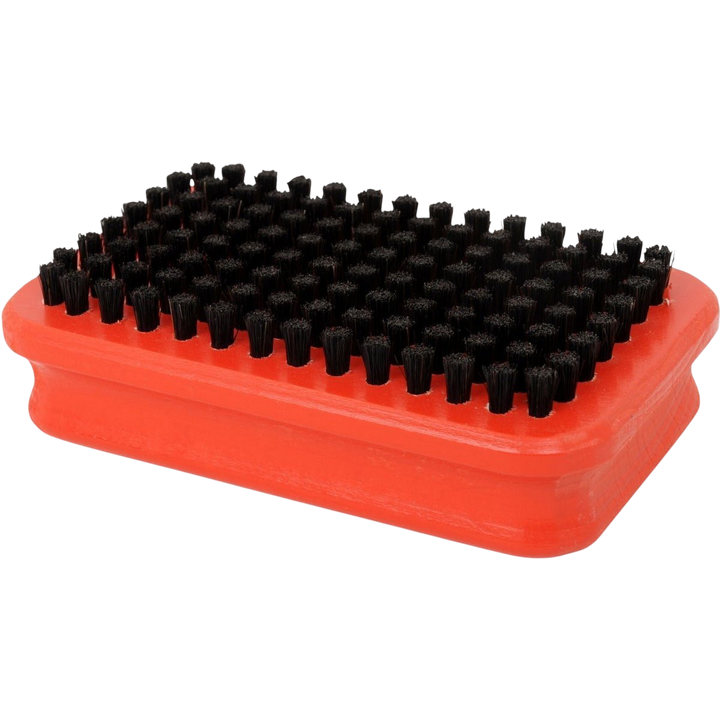
  • Horsehair as an effective intermediate step, especially for hard cold-weather wax.
  • Fine nylon for finishing and removing the last dust.
03

Many skis or race waxing

For clubs, families and skiers wanting to save time and achieve consistent results across several pairs.

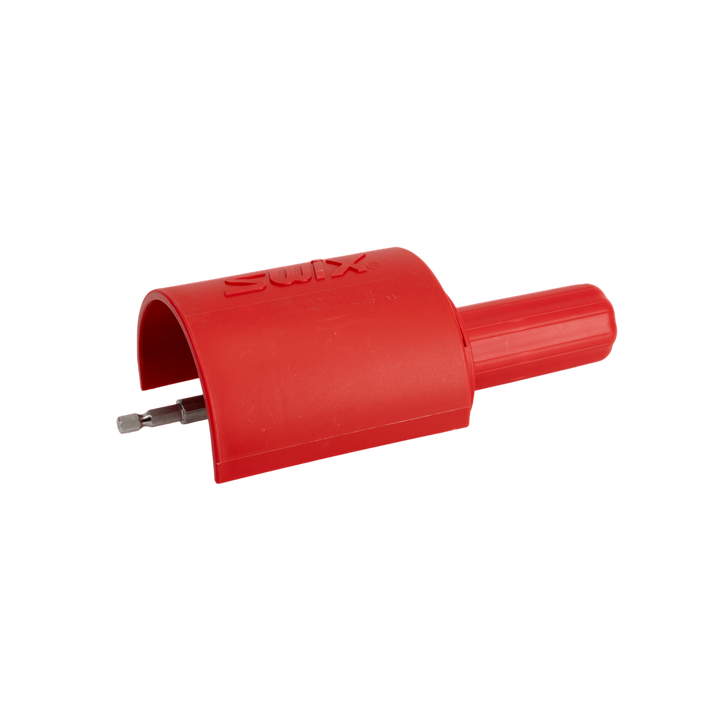
  • A roto handle with guard, the correct shaft and matching brush width.
  • Steel or natural bristles for removal, nylon for finishing.
  • Fleece or wool only when the wax system and instructions require it.

Understand the task

Brushing has four distinct roles

It is easy to call everything brushing. In practice, a brush can clean, clear the structure, remove residue or polish. The right brush depends on the job.

Clean before waxing

A fine steel or bronze brush can lift dirt and old loose material from the structure. For wet cleaning, use a brush intended for that method.

The aim is a clean, open base, not surface wear.

Clear the structure

After scraping, paraffin remains in the ground structure. A metal brush reaches deeper and clears it so the structure becomes visible and functional again.

This is often the most important brushing step after solid glide wax.

Remove fine residue

Horsehair or other natural bristles remove finer paraffin residue after coarser brushing. Some systems use natural bristles as the first step.

Follow the product's sequence. The material name alone does not tell the full story.

Polish and finish

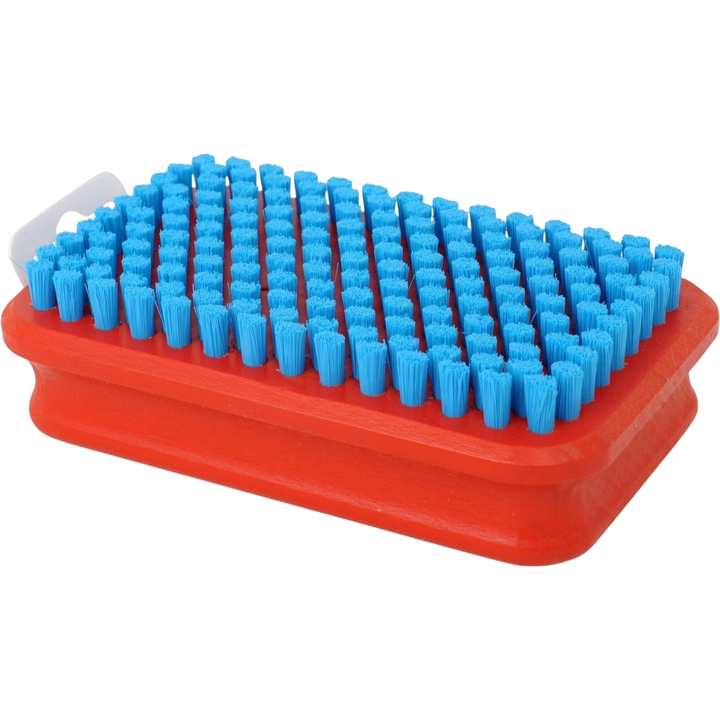
Fine nylon removes the last wax dust and evens out the finish. It is also often used after liquid wax has dried as instructed.

Shine is not the goal in itself. The structure must remain clear.

Steel, bronze, horsehair and nylon

How the common brush materials differ

Bristle diameter, length, density and construction matter as much as material. Two brushes with the same name may therefore serve different purposes.

Steel

Effective for reaching deep into the structure. Coarser steel is often used after scraping, while ultrafine steel can clean and perform more precise tasks.

  • Very effective at clearing the structure.
  • Requires a light touch and consistent direction.
Start gently rather than pressing hard.

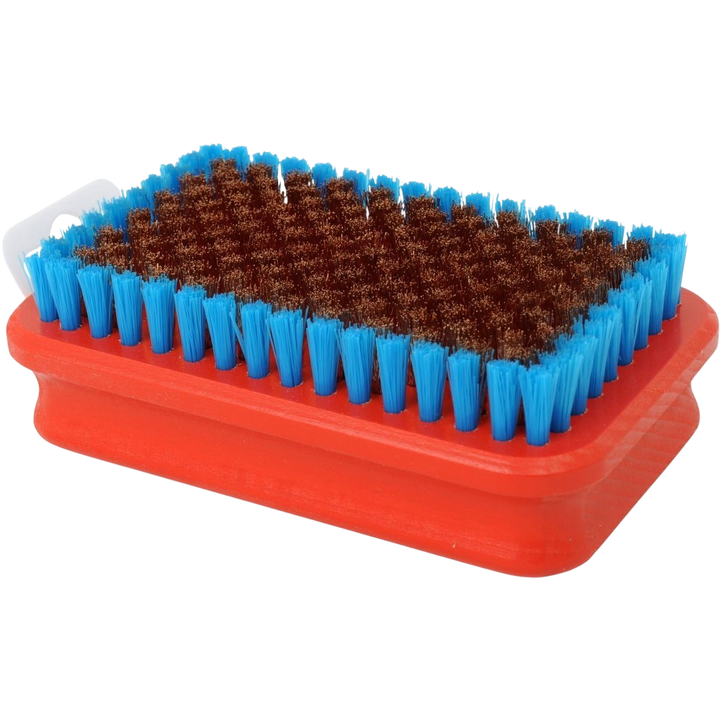
Bronze or brass

A dependable all-round choice, often used first after scraping and sometimes before waxing. Manufacturers use the names somewhat differently.

  • A good first metal brush for home waxing.
  • Clears the structure without being as specialised.
A good choice when buying just one coarser hand brush.

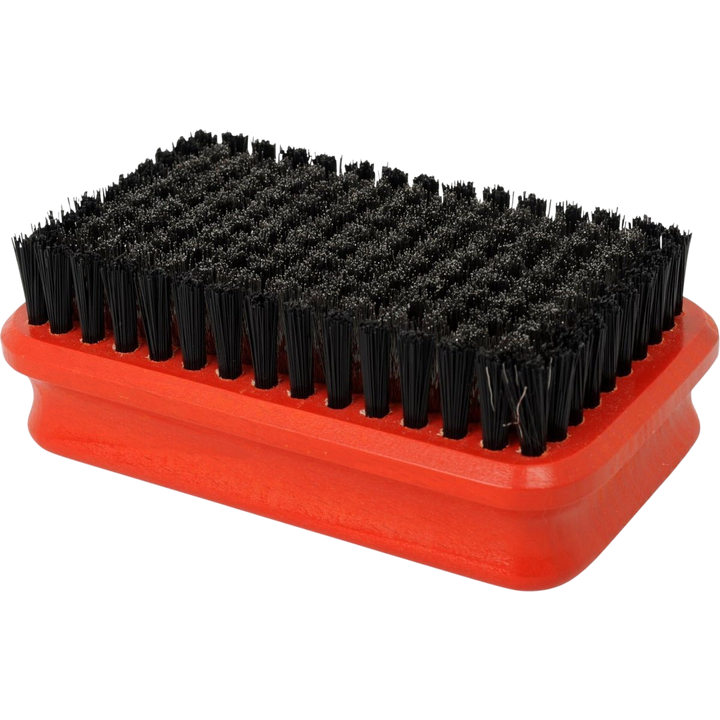
Horsehair and natural bristles

Effectively removes fine paraffin residue, often between metal brushing and nylon finishing. Horsehair is particularly useful for fine residue from hard cold-weather wax.

  • A useful intermediate step after solid glide wax.
  • Can be the first step when soft wax would clog a metal brush.
Treat it as a working brush, not just a cosmetic finishing tool.

Nylon

Nylon is mainly used for final polishing. Stiff nylon and fine soft nylon are different tools; the finer type is especially useful for liquid wax.

  • Removes the last dust.
  • A common finishing brush for solid and liquid glide wax.
The most useful first brush for simple liquid waxing.

Felt, fleece and wool

These tools apply, activate or work in selected liquid waxes and toppings. They do not automatically replace metal or nylon brushes.

  • Produces friction heat and can improve durability.
  • The process is strongly product-dependent.
Follow the wax instructions and use light pressure.
Important about colours and material names: a blue nylon brush from one manufacturer may not match a blue brush from another. Use the stated function, bristle diameter and recommended steps as your guide, not just colour.

When to change the basic sequence

Wax hardness affects which brush comes first

Brush guides can seem contradictory because they describe different waxes and brush designs. This is a practical starting point. The product's own instructions always take priority.

Cold-weather, hard wax

Open, clear and polish

Hard wax can leave fine, brittle paraffin residue. Metal clears the structure, and horsehair effectively removes what remains before nylon finishing.

  1. Metal
  2. Horsehair
  3. Fine nylon
Horsehair is especially useful when cold-weather wax remains as fine white dust in the structure.
Warm-weather, soft wax

Lift soft surface wax before metal brushing

Very soft wax can clog a fine metal brush. A brief initial horsehair step can lift surface wax before metal reaches into the structure.

  1. Brief horsehair step
  2. Metal
  3. Fine nylon
This is an exception, not a new universal rule. Assess the wax and follow the manufacturer's method.
Liquid glide wax

Let it dry and use the right process

Many everyday liquid waxes only need drying and nylon polishing. Some race products first require felt, fleece or wool.

  1. Fleece if required
  2. Fine nylon
Never use fleece or wool out of habit. Follow the instructions for the specific wax.

Work by hand

Three simple routines for most needs

Adapt brushing to the wax. This is a clear starting point, but product instructions always override general guidance.

Liquid glide wax

Clean, dry, polish

For everyday waxing without an iron. The surface must be clean and completely dry before application.

  1. Brush lightly with fine metal or a combination brush when old wax and dirt need removing from the structure.
  2. Wipe the base clean and apply a thin layer as instructed.
  3. Allow the stated drying time. Too little drying often reduces finish quality and durability.
  4. Polish with fine nylon until the surface feels clean and the structure is clearly visible.
Some liquids use felt or fleece before nylon. Read the label.
Solid glide wax

Metal, horsehair, nylon

The basic sequence once the ski has cooled and excess wax has been scraped off.

  1. Clear the centre groove and scrape the glide surface with a sharp plexi scraper.
  2. Brush with bronze or steel from tip to tail until the structure starts to clear.
  3. Continue with horsehair if fine paraffin residue remains.
  4. Finish with fine nylon and wipe away loose wax dust with clean Fiberlene.
Stop when the structure is clear. More passes are not automatically better.
Cleaning and a fresh start

Clear without overworking

A dirty base or a fresh preparation for an important event needs a cleaner starting point.

  1. Brush away loose dust and assess whether dry brushing is enough.
  2. If needed, use the correct glide-wax cleaner and a separate brush designed for wet cleaning.
  3. Wipe with clean Fiberlene and let the base dry completely.
  4. Brush lightly again before applying new wax. A clean base does not need aggressive treatment.
Grip-wax remover does not belong on glide zones.

Shape, direction and separation

Choose a brush that suits your hand and task

Material is only part of the choice. Size, shape, grip and technique affect both speed and control.

Affordable and simple

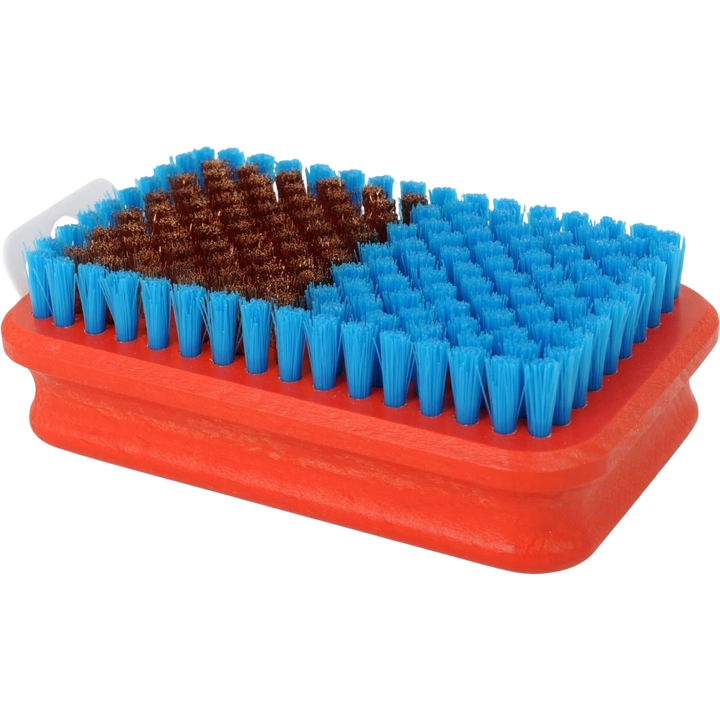
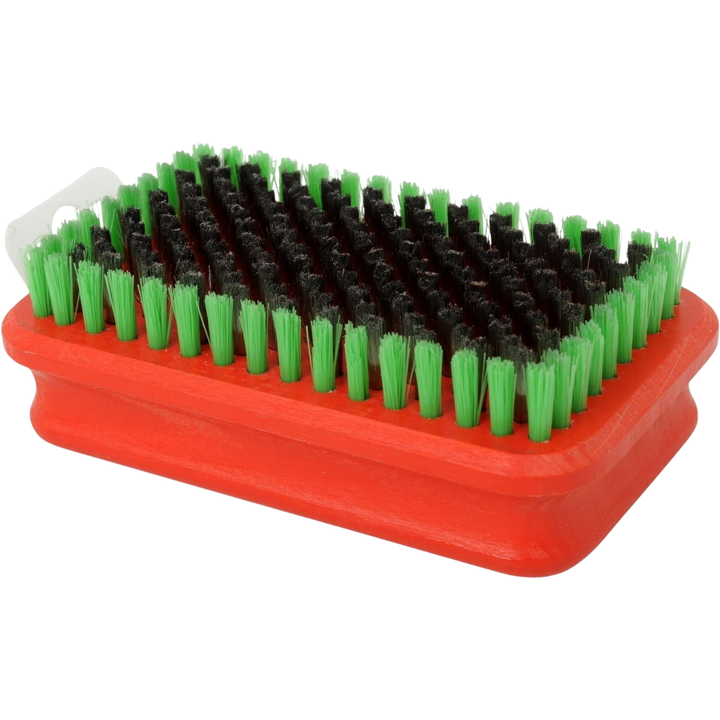
Rectangular brush

The usual home-waxing choice. Easy to pack, cheaper than a large oval model and well suited to one or a few pairs.

A good first choice for most people building their first brush system.
Larger working area

Oval brush

Often has more bristles, a larger area and a hand strap. It gives a steady grip and saves time on wide alpine skis, snowboards or many pairs.

Choose oval when your workload justifies more surface area and a better grip.
Compact two-in-one

Combination brush

Combines materials such as metal and nylon in one block. Useful for travel and simple daily waxing, but the smaller area works more slowly on wide skis.

Tilt the unused part up so only the intended bristles touch the base.

Mark metal brushes and work in the same direction

Mark steel, bronze and copper brushes with an arrow. Use them consistently from tip to tail for a repeatable routine and easier checks that the full structure has been treated.

Some methods allow nylon and horsehair back-and-forth strokes, but finish with a few light tip-to-tail passes.

When a roto brush is worthwhile

Faster brushing - with the same care

A roto brush mainly saves time, especially across several pairs or repeated routines. It needs the right handle, shaft, rotation direction and much lighter pressure than many expect.

Several pairs

Major time savings for families, clubs and waxing teams.

Consistent repetition

The same passes can be repeated consistently across the entire base.

Special methods

Fleece and wool can apply or work selected waxes.

Not essential

Hand brushes still give excellent results and precise control.

  1. Check the system before starting

    Handle, guard, shaft and brush width must match. Check that the brush is centred and nothing is loose.

  2. Set the rotation direction

    Work from tip to tail with rotation directing wax particles backwards, away from the already brushed surface and the user.

  3. Let the brush do the work

    Use light pressure and overlapping passes. Do not stay in one place or press down to work faster.

  4. Follow the brush speed guidance

    Speed depends on the brush and task. Different systems may specify around 1 000 to 1 800 revolutions per minute or more. Application may need a different speed from final polishing. Follow the manufacturer.

  5. Check results between steps

    Switch off, wipe the surface and inspect the structure. Continue only if paraffin remains in the pattern.

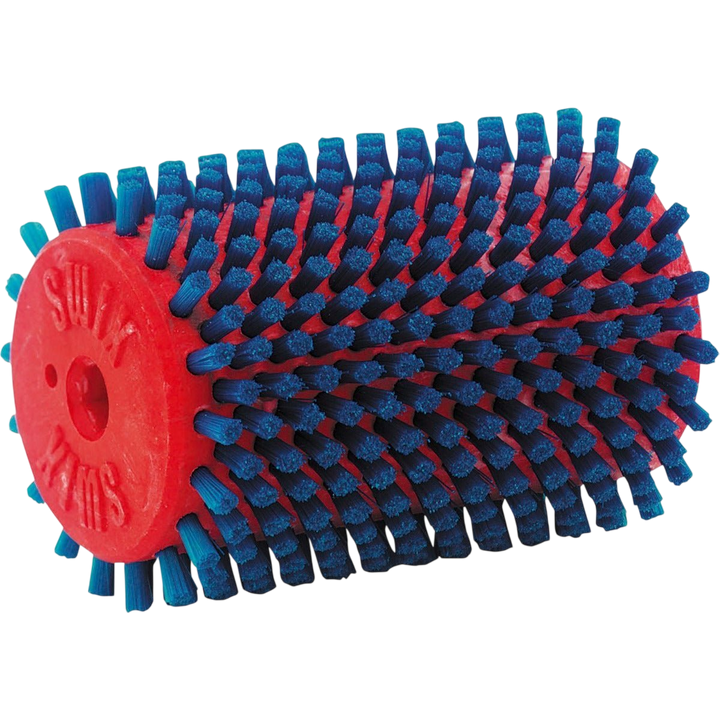
Roto brush roles

Five tools often confused

Roto nylon and roto wool may look like two brushes, but do very different jobs. Here is the practical difference.

Opens the structure

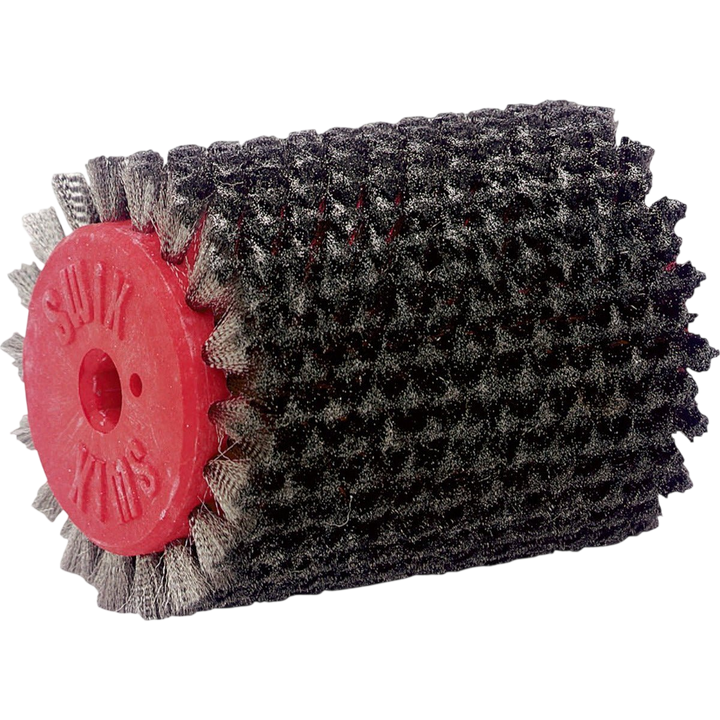
Roto steel

Fine steel wire for cleaning and clearing the structure. Also used in specific post-wax brushing routines.

Requires the most care, light pressure and correct instructions.
Removes paraffin

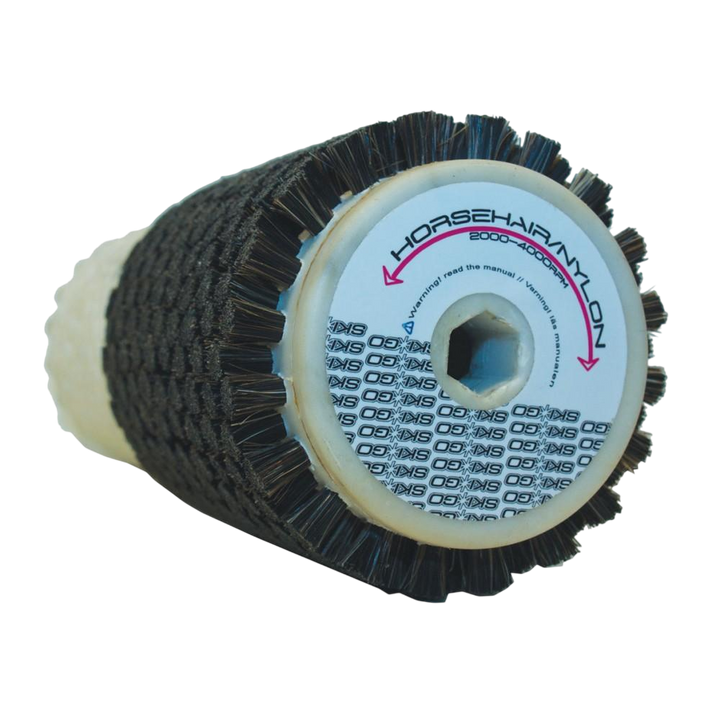
Horsehair or natural bristles

Effective for removing wax after scraping. Often used with steel and before nylon.

A strong basic choice for brushing solid glide wax quickly.
Final polishing

Roto nylon

A finishing brush that removes loose dust and evens the surface after metal or natural bristles.

The natural roto-brush choice for the final step.
Works liquid wax

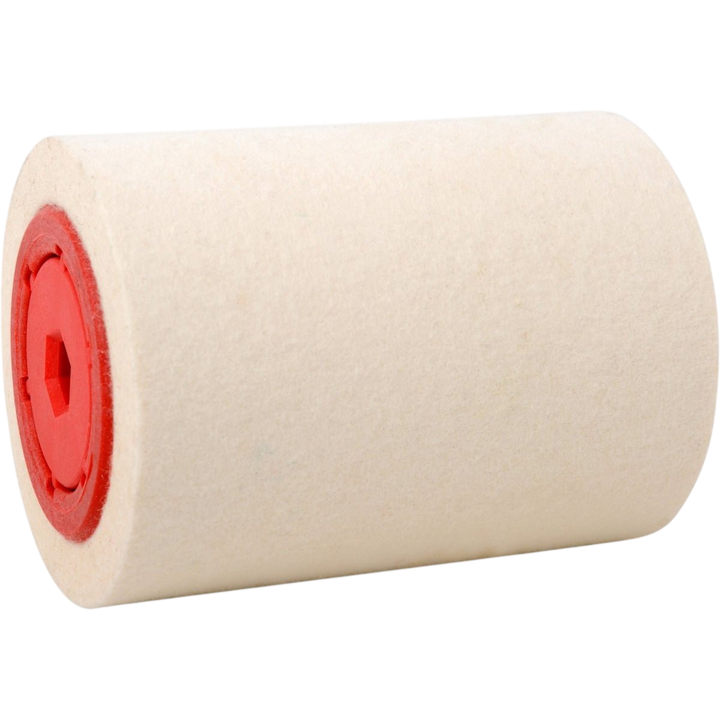
Roto fleece

Can improve application and durability of certain liquid waxes and toppings through controlled friction heat.

Fleece is usually followed by a nylon finish.
Cold application

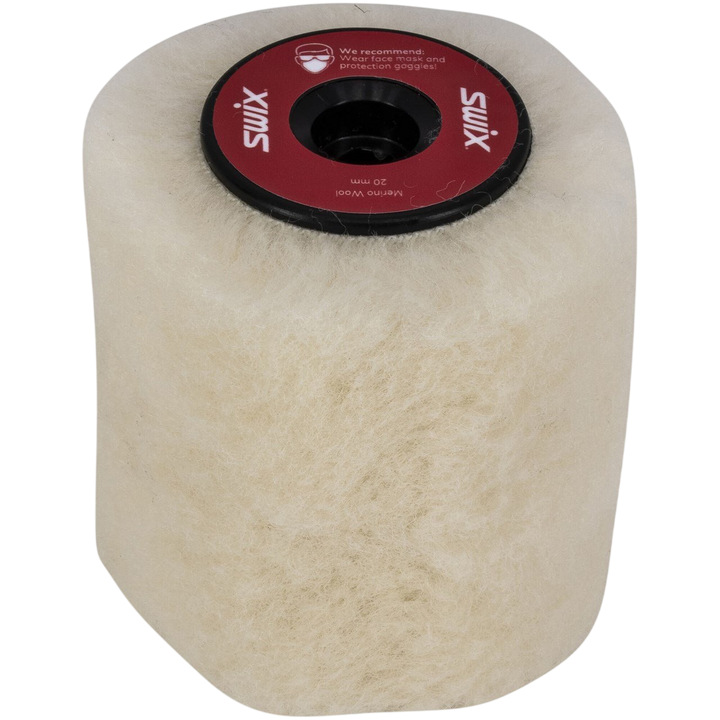
Roto wool

Used in specific systems to apply hard wax without an iron, and also for very fine polishing.

Consider separate wool for each race product.

Buy compatible parts together

Brush width is only part of the roto system

The most common buying mistake is a brush that does not fit the shaft, handle or guard. Check the whole system before ordering.

01

Handle, shaft and fitting

Check shaft length, hex dimensions and brush locking. Many systems are compatible, but never assume it.

Use handle and brush dimensions, not just the brand.
02

70 mm for cross-country - 100 mm for alpine

70 mm is mainly used for cross-country skis. 100 mm is common for alpine skis and snowboards. A longer shaft can also hold two or three shorter brushes.

Choose width for the ski surface and intended routine.
03

Guard and extraction

The guard catches particles and helps maintain the correct angle. Models with extraction connections further improve working conditions.

Prefer a handle and guard designed to work as one system.

Six common mistakes

When more brushing makes things worse

Brushing is precision work. Excess pressure, the wrong order or dirty tools can undo good ironing and scraping.

Mistake 1

Trying to brush away wax that should have been scraped

Thick paraffin on the base must be removed with a sharp plexi scraper. The brush should mainly work within the structure.

Fix: sharpen the scraper and finish scraping before brushing.
Mistake 2

Pressing the metal brush too hard

Heavy pressure bends bristles, reduces control and can damage the surface, especially with roto steel.

Fix: use light pressure and let the bristle tips work in the structure.
Mistake 3

Stopping before the structure is clear

A shiny surface can still be filled with paraffin. Inspect the whole ski in good side lighting.

Fix: go back one step and clear areas where the pattern is clogged.
Mistake 4

Using one brush for everything

Klister, grip wax, cleaning fluid and different toppings can contaminate the next wax application.

Fix: label brushes by task and keep glide brushes away from the kick zone.
Mistake 5

Blindly following a universal brushing order

Hard cold-weather wax, soft warm-weather wax and liquids may need different sequences.

Fix: follow the product instructions when they differ from the basic method.
Mistake 6

Holding the roto brush still

Friction can quickly produce heat and concentrated wear, especially with fleece, wool and steel.

Fix: use even, overlapping passes and very light pressure.

Clean tools give clean skis

How to keep brushes useful for years

A good brush can last for years if it is not stored bristles-down, clogged with old paraffin or mixed with grip-wax and klister tools.

Label by task first: CLEANING, HOT WAX, LIQUID and TOPPING. Add the material name if useful.
  • Clean immediately after use

    Never bang a metal brush hard against the bench. Remove wax dust with a clean brush, vacuum or the manufacturer's recommended method.

  • Store with bristles clear

    Do not put heavy tools on the brush. Bent bristles give uneven pressure and reduce effectiveness.

  • Keep brushes dry

    Do not store metal brushes damp. Avoid soaking and solvents unless the manufacturer explicitly allows them.

  • Separate cleaning and finishing

    A metal brush used with glide-wax cleaner should not be your clean finishing brush after fresh wax.

  • Replace when performance changes

    Replace brushes with badly bent, loose or permanently contaminated bristles, or when they no longer reach the structure evenly.

From guide to waxing bench

A considered selection of hand and roto brushes

Find brushes for different tasks. Start simply and add tools when your waxing needs a new step or multiple pairs make roto brushing worthwhile.

Hand brushes - control and a solid foundation

For most people, a metal or combination brush plus fine nylon is a good start.

View all hand brushes

Roto brushes - when time and repeatability matter

Check handle, shaft, guard, width and recommended speed before combining parts.

View all roto brushes

Frequently asked questions

Common uncertainties when comparing ski brushes

Materials, colours and sequences vary between manufacturers. Start with the task and the wax instructions.

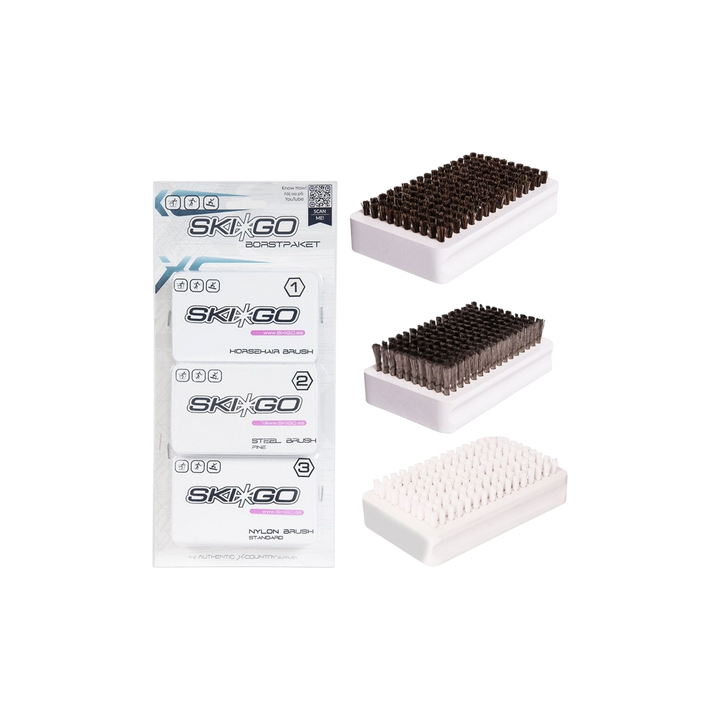
For solid glide wax, two brushes are a good minimum level: a metal or natural bristle brush that frees the structure after scraping, and a fine nylon brush for the finish. A ready-made three-brush pack gives you an extra intermediate step, but you do not need to buy everything from the start.

Make the routine repeatable

The right brushing order does more for glide than yet another tin of wax

A well-scraped and carefully brushed ski has a clean, distinct structure with no visible paraffin residue. Start with a small brush system you understand, and only add to it when a new tool solves a clear task.

Hand brushes provide control and go a long way. Roto brushes save time when many skis need to be done, but require more discipline regarding pressure, rotation direction, and safety.